The Role of Extracurriculars in Your Child’s School Life
25 January 2026
When we think of school, we often picture classrooms, textbooks, and exams. But there's a whole other world beyond that image—a world of extracurricular activities. Whether it’s sports, music, drama, or even chess club, these activities are more than just "extra" stuff to fill the day. In fact, extracurriculars play a significant role in shaping your child’s school life, personal growth, and future opportunities.
But how exactly do these activities contribute? And is it really worth juggling the added time commitments? Let’s dive in and explore the benefits of extracurriculars and why they’re an essential piece of your child’s education puzzle.
What Are Extracurricular Activities?
Before we dig deeper into how these activities impact your child, let’s clarify what we mean by "extracurriculars." Simply put, extracurricular activities are any organized activities your child participates in outside of their regular academic curriculum. These could include:- Sports teams (soccer, basketball, swimming, etc.)
- Creative arts (drama, music, dance, painting)
- Clubs (debate, chess, science)
- Student organizations (student council, volunteering groups)
- Community involvement (scouts, religious groups)
The key is that these activities happen outside the traditional classroom setting and usually take place after school or during weekends. However, their impact on your child’s life extends far beyond just keeping them busy.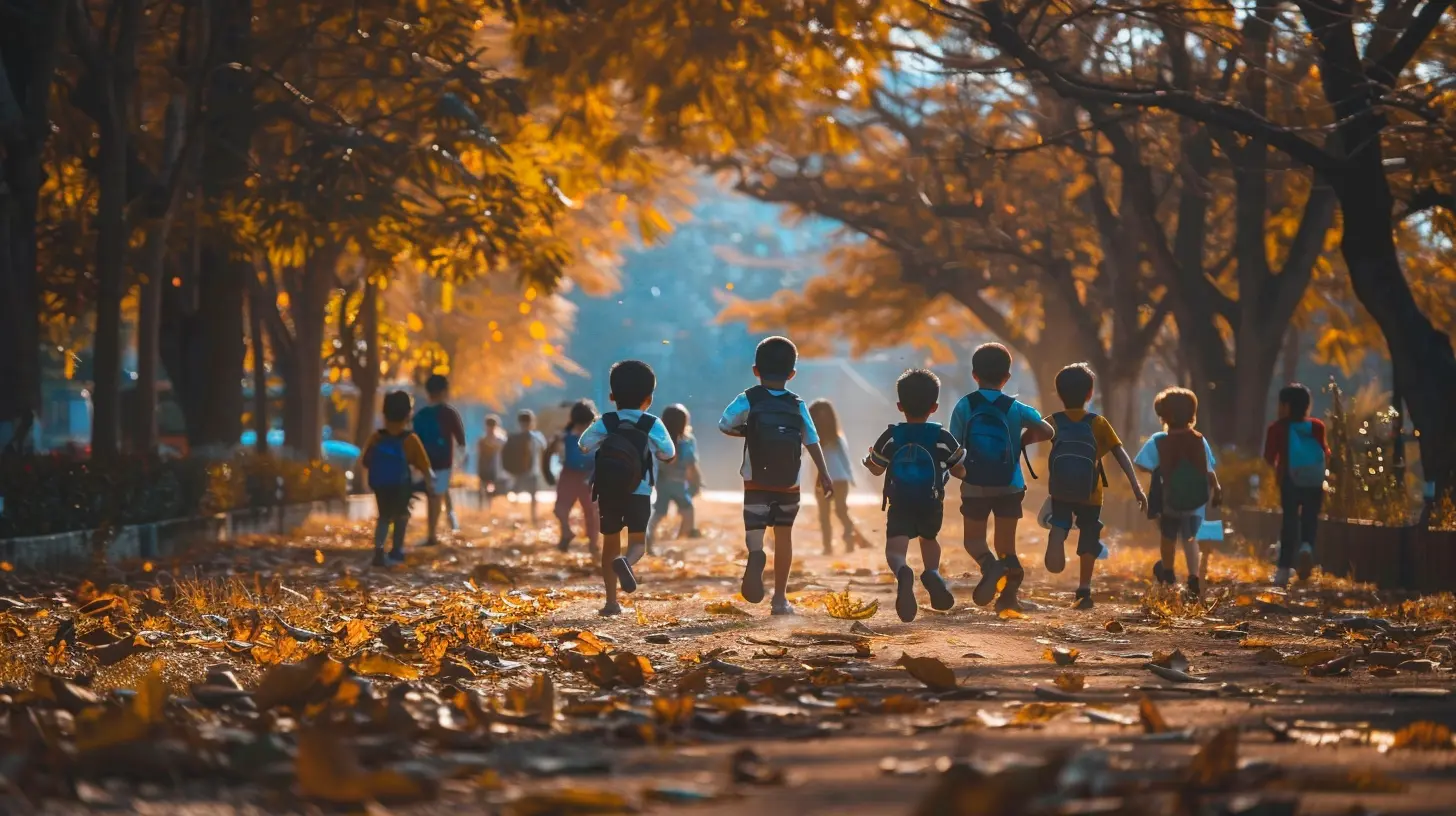
Building Important Life Skills
You know that age-old saying, “School prepares you for life” well, extracurricular activities do a whole lot of that heavy lifting. Sure, your child may be learning about math and science in the classroom, but what about communication, teamwork, and time management? Extracurriculars address these big life lessons.1. Time Management
Let’s be honest, the modern world demands a lot from us in terms of juggling multiple responsibilities, and this is something kids need to start learning early. Between schoolwork and extracurriculars, your child learns to allocate time wisely. They quickly figure out how to balance homework with football practices or piano lessons, giving them a head start in managing busy schedules later in life.2. Teamwork and Collaboration
In activities like sports or drama, your child will regularly work with others, learning to communicate, listen, and collaborate towards a common goal. It’s not just about scoring the winning goal; it’s about understanding how to work with others to achieve something bigger than themselves. These teamwork skills are highly transferable and super valuable, both academically and socially.3. Leadership Skills
If your child takes on a leadership role—whether they’re the captain of the school soccer team or the treasurer of a club—they learn how to motivate others and make decisions. These leadership opportunities build confidence and teach responsibility, turning your child into a self-starter and a natural leader.4. Problem-Solving Abilities
Ever see your child trying to overcome a tough challenge in their chess game or figuring out how to adjust their strategy in a basketball match? Extracurriculars encourage kids to think on their feet, make quick decisions, and solve problems creatively—all while under pressure, much like they'll experience in the real world.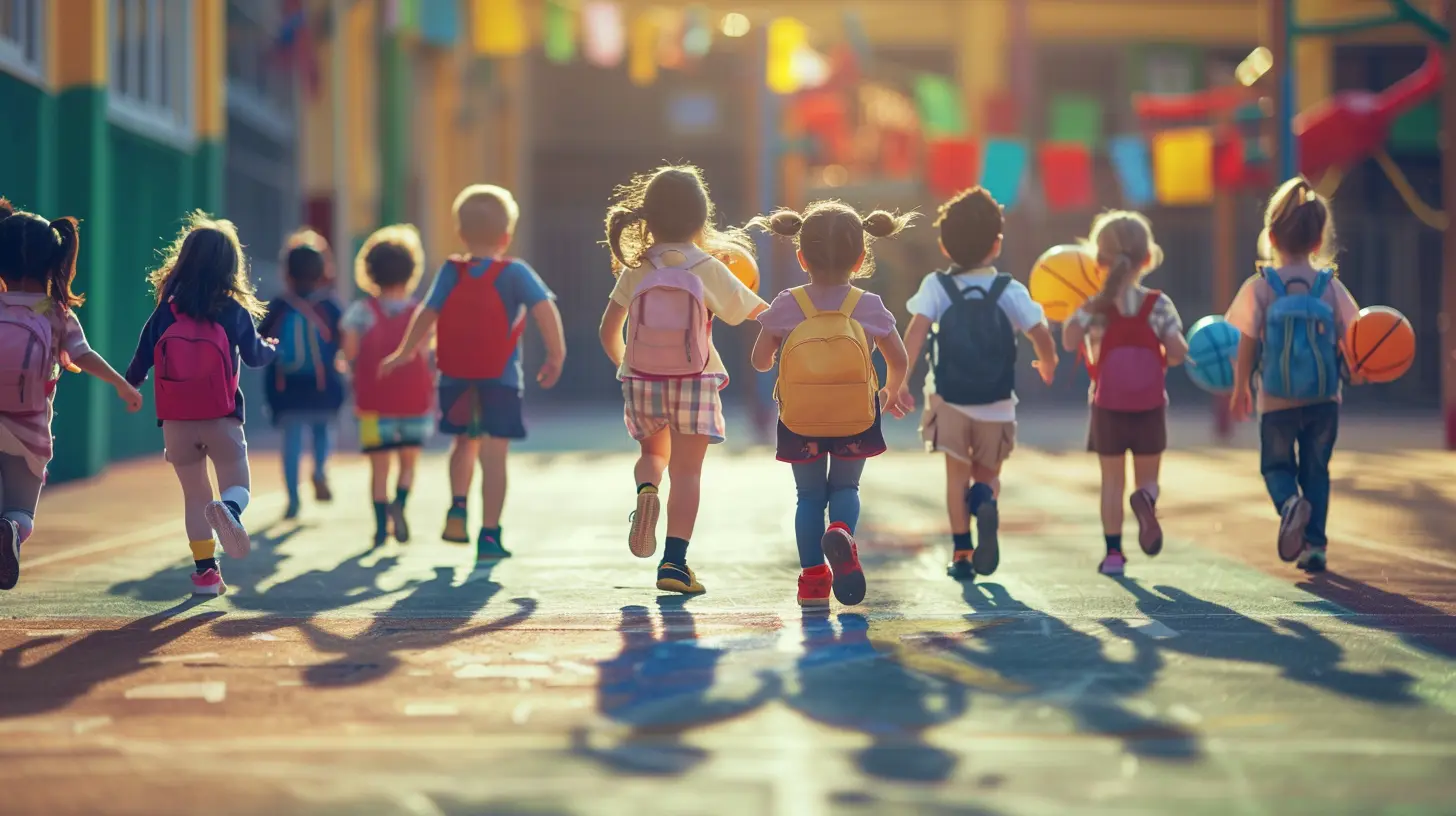
Boosting Academic Performance
Now, here’s a shocker: extracurricular activities often improve academic outcomes. It’s a bit counterintuitive, right? You might think that spending time on sports or arts would take away time from studying. But in reality, the structure and discipline that come with extracurriculars can enhance academic learning.1. Better Focus and Academic Discipline
Studies show that students involved in extracurriculars tend to have higher academic performance. Why? Because these activities help them stay organized and disciplined. Engaging in an after-school activity means they have to manage their time more effectively. Whenever they’re not at soccer practice, for instance, they're more focused during study hours because they know their time is limited.2. Enhanced Critical Thinking
Extracurricular activities often require kids to think critically and creatively in ways the traditional classroom setting might not always promote. Solving complex problems—whether it's a tricky chess move or choreographing a dance routine—can help kids apply similar critical thinking strategies to their academic work.3. Improved Attitude Toward School
Extracurriculars often make school life more enjoyable. Kids look forward to the activities they're passionate about, which in turn can create a more positive attitude toward school as a whole. If your child associates school with more than just sitting in a classroom, they're more likely to be engaged and motivated.
Social and Emotional Development
Let's switch gears for a second. Extracurriculars aren't all about academics or skills you can show off on a résumé—they're equally important for your child’s social and emotional well-being. The friendships they form, the emotions they experience, and the personal challenges they overcome all contribute to their overall emotional and social development.1. Building Friendships
Extra-curricular activities give your child the chance to connect with peers outside of the classroom. Whether it’s bonding over a shared love for basketball or theater, these connections can result in lifelong friendships. It also expands their social circles, introducing them to kids they may not have met in their regular classes.2. Boosting Self-Confidence
Nothing feels quite like the pride of conquering a challenge, whether it’s finally mastering a difficult song on the piano or scoring the winning touchdown. With each win, your child grows in self-confidence, learning that they can set goals and achieve them—both in school and beyond.3. Helping with Emotional Regulation
Let’s be real—being a kid today isn’t exactly a walk in the park. There’s pressure, stress, and sometimes even anxiety. Activities like sports, music, or arts provide an outlet for your child to express and manage their emotions. Whether it’s blowing off steam with a basketball game or calming their mind with a painting session, extracurriculars contribute to emotional health.Future Opportunities: Building a Strong Résumé
If there’s one thing that sets students apart when applying to colleges or jobs, it’s often what they did outside the classroom. Participation in extracurricular activities adds depth to your child’s résumé, helping them stand out from the crowd. Admissions boards and employers alike value well-rounded individuals who have more to offer than just solid grades.1. College Applications
Extracurricular involvement shows that your child has taken the initiative to explore interests, develop skills, and even lead others. College admissions offices look for students who are not only strong academically but are also engaged in their communities and passionate about something beyond hitting the books.2. Career Preparation
Believe it or not, the skills children develop through extracurriculars—teamwork, time management, leadership—are highly sought-after by employers. Whether your child is heading into business, engineering, or the arts, the experiences they gather through extracurricular activities can give them the edge in the workplace.3. Scholarships
Many scholarships, especially for athletes and artists, look for students with special talents. If your child excels in sports or the arts, their extracurricular achievements could help them secure valuable financial assistance for college.How to Find the Right Extracurricular for Your Child
Now, here’s the million-dollar question: How do you help your child find the right extracurricular activity? The trick is to balance their interests with opportunities for growth.1. Explore Their Interests – Is your child naturally inclined toward a certain sport, instrument, or hobby? Help them identify something they enjoy; after all, the key to long-term commitment is genuine interest.
2. Encourage, Don’t Pressure – While you might have dreams of your kid being the next Olympic gymnast or a Broadway star, don’t force them into activities they’re not passionate about. Encourage exploration, but let them choose what excites them.
3. Start Small – If your child is unsure, start with low-commitment activities like a short-term art workshop or a seasonal sport. They can always branch out once they find their footing.
4. Balance is Key – Ensure that whatever activity they choose doesn’t overwhelm their schedule. Extracurriculars should complement, not overtake, academics and family time.
Wrapping It Up
Extracurricular activities are far from being just a way to keep your kids busy after school. They play an invaluable role in developing personal, academic, and social skills that will benefit your child long into adulthood. From time management to leadership skills, and from building a strong application to managing stress, these activities equip your child with tools that regular school hours just can’t cover.So the next time your child wants to join the chess club or try out for the soccer team, think twice before saying it's just an "extra" activity. It might just be one of the most important decisions for their growth and success.
all images in this post were generated using AI tools
Category:
Back To School TipsAuthor:

Karen Hurst
Discussion
rate this article
2 comments
Astranor Collins
As a parent, I’ve seen firsthand how extracurriculars shape my child's confidence and social skills. They provide a valuable balance to academics and help kids explore their interests. However, it's essential to ensure these activities don't overwhelm them, prioritizing enjoyment and personal growth over competition. Balance is key!
February 10, 2026 at 5:23 AM
Karen Hurst
Thank you for sharing your experience! I completely agree—finding the right balance in extracurricular activities is crucial for fostering confidence and personal growth in children.
William McGowan
Extracurriculars enrich my child's development and social skills.
January 25, 2026 at 4:47 AM
Karen Hurst
Absolutely! Extracurriculars play a crucial role in enhancing children's development and social skills by providing opportunities for teamwork, leadership, and personal growth.