Packing Backpacks Like a Pro: What Your Child Really Needs
15 February 2026
Ah, the school backpack. That magical black hole where pencils vanish, lunch boxes morph into science experiments, and homework mysteriously disappears. If you've ever peeked inside your kid’s bag and felt like you were staring into an abyss, you're not alone.
Packing a backpack should be simple. But somehow, it turns into an episode of Survivor: School Edition, where your child believes they need to carry everything they’ve ever owned—just in case.
But fear not, dear parent! We're about to break down what your child really needs in their backpack (and what they absolutely don’t). Let’s turn that chaotic mess into a well-organized, back-saving masterpiece. 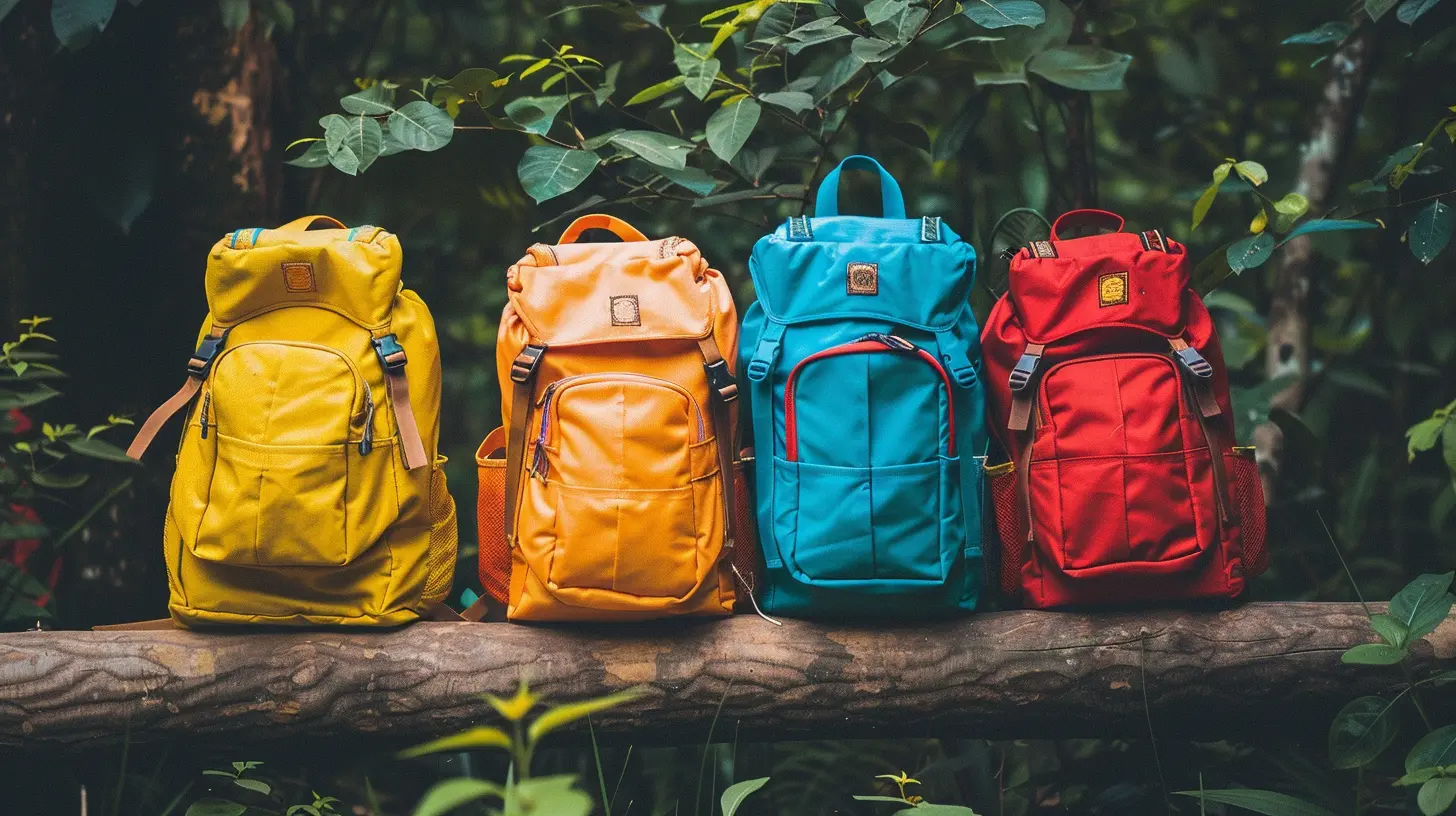
The Backpack Itself: Size Matters
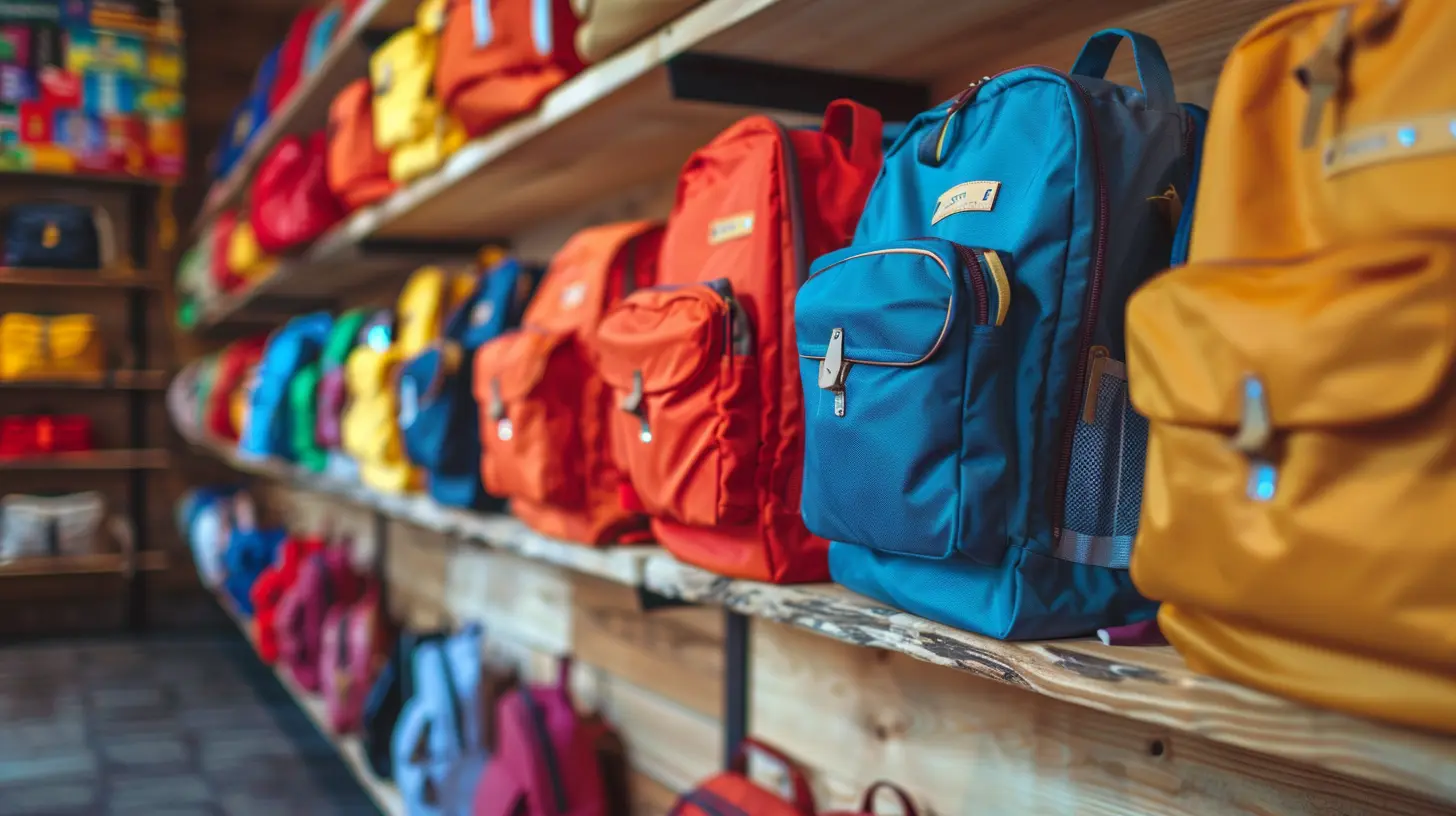
Before we even get into what goes inside, let’s talk about the actual backpack.Pick the Right Size
Bigger isn’t always better. If your child's backpack is large enough to smuggle a small sibling inside, it’s too big. A properly sized backpack should:✅ Be no wider than your child’s torso
✅ Sit snugly against their back
✅ End just above their hips (not dragging like a medieval knight’s sack of armor)
Comfort is Key
Your kid’s backpack should have:- Padded straps (because shoulder pain at age 8 is unnecessary)
- A padded back (so books don’t feel like bricks jabbing them)
- Multiple compartments (because some level of organization is needed)
The School-Day Essentials: What They Actually Need
Now, let’s pack smart. Here are the absolute essentials that should make the cut:1. Folders and Binders – The Homework Keepers
A sturdy folder or binder will prevent homework from morphing into crumpled, ink-smudged, dog-chewed paper balls. Help your child stay organized with designated folders for different subjects.Parent Tip: Choose plastic folders. They survive juice spills better than paper ones.
2. The Almighty Notebook
One good quality notebook (or one per subject, depending on the grade) is a must. Because no matter how much they argue, yes, they do need something to write on.3. Writing Utensils (a.k.a. The Wand of Knowledge)
Your child’s pencil case should contain:✏️ A few sharpened pencils (because one always disappears)
🖊️ A couple of pens (black or blue—this isn’t an art class)
📏 A small ruler (for impromptu sword fights… I mean, measuring)
🖍️ Some crayons or colored pencils (for projects, not wall graffiti)
Parent Tip: If your kid has 47 gel pens but can’t find a single working pencil, you are not alone.
4. A Lunchbox (That Actually Makes it Home)
A lunchbox is a great idea if it doesn’t get abandoned in the lost-and-found every other day. Keep it practical with:- A reusable water bottle (hydration = brain fuel)
- Easy-to-open containers (because wrestling with lids shouldn't be part of lunchtime)
- A small ice pack (if their lunch shouldn’t double as a science experiment)
5. The Library Book (That Won’t Get Lost This Time!)
Library days sneak up like ninjas. If your child is borrowing books, remind them to keep them in a designated backpack pocket so they don’t suddenly remember them… two months past due.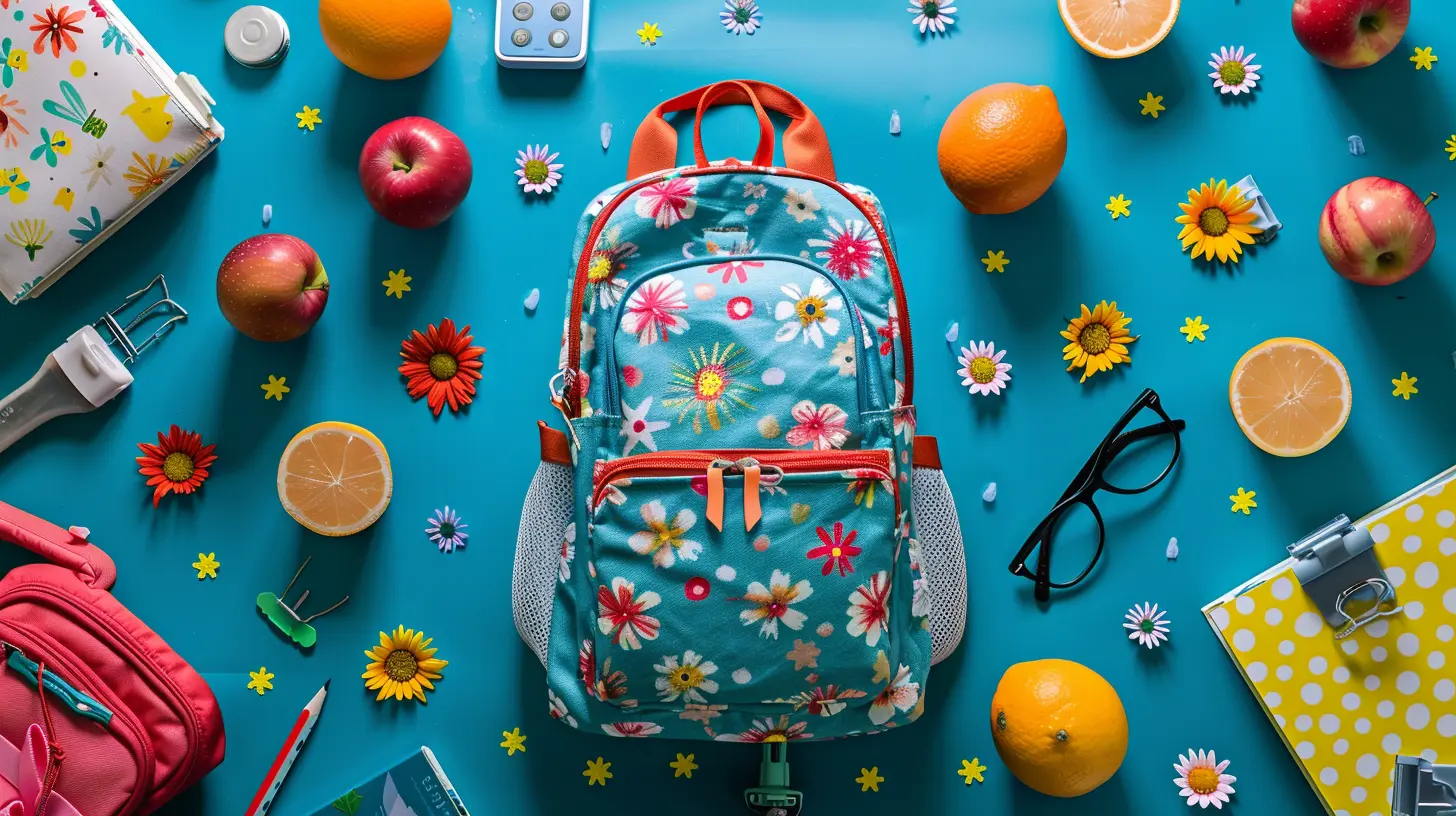
The Extras: What They Think They Need but Don’t
Somehow, kids manage to fill their backpacks with random treasures they swear are “essential.” Here’s what you may find lurking inside:❌ 37 Keychains on the Zipper
One or two? Sure. But if it jingles like Santa’s sleigh, it's gotta go.❌ A Collection of Rocks, Sticks, and Mystery Items
Apparently, every walk home is an archaeology dig.❌ Old Worksheets from 3 Months Ago
If it’s crumpled, torn, and smells a little weird, it belongs in the recycling bin—not the backpack.❌ Toys, Fidget Spinners, and Random Trinkets
It starts with “Mom, I need this” and ends with “I got in trouble for playing with it in class.”❌ Enough Snacks to Feed a Classroom
A couple of snacks? Great. A full grocery aisle? Unnecessary.
Backpack Organization: The Secret to Sanity
Want to avoid the endless black hole effect? Teach your child how to organize their backpack like a pro:🔹 Heavy stuff goes closest to the back (near their spine, to avoid tipping over like a turtle)
🔹 Use compartments wisely (books in one, lunchbox in another, random treasures... nowhere)
🔹 Daily backpack check-ins (so things don’t get lost in the abyss)
Parent Tip: Have a Sunday Night Backpack Cleanout Ritual. Trust me—it prevents finding a half-eaten sandwich from three weeks ago.
Keep It Light: Save Their Spine
The American Academy of Pediatrics recommends that a child’s backpack should not exceed 10-15% of their body weight. That translates to:- 40 lb child → Max 4-6 lbs in their backpack
- 60 lb child → Max 6-9 lbs
- 80 lb child → Max 8-12 lbs
If their backpack is heavier than a small dog, it’s time to lighten the load.
Emergency Kit: Just in Case
Life happens, and sometimes kids need a little backup plan. Pack a small emergency kit, including:🩹 A few band-aids (for those very dramatic scrapes)
💧 A small pack of tissues (because sneezes don’t wait)
👕 A spare pair of underwear & socks (especially for younger kids)
🌦️ A compact umbrella (because the forecast lies)
Parent Pro Tips: The Ultimate Backpack Hacks
Here are some parent-tested, kid-approved backpack hacks that’ll save your sanity:🔹 Label EVERYTHING (because if it’s not labeled, it will get lost)
🔹 Do a weekly backpack check (before it turns into a hazardous waste zone)
🔹 Teach them to pack the night before (mornings are chaotic enough)
🔹 Make sure they use both shoulder straps (otherwise, hello, chiropractor visits)
Final Thoughts: Packing Like a Pro
Packing a backpack isn’t rocket science—but convincing your child that they don’t need to pack their entire bedroom? That’s the real challenge.With a little organization, some smart packing tips, and a solid Sunday night cleanout routine, your kid will be strolling into school like a true backpack-packing pro. No lost homework. No aching shoulders. No mystery odors.
And if they still insist on carrying their collection of “special rocks”? Well, pick your battles, my friend. Pick your battles.
all images in this post were generated using AI tools
Category:
Back To School TipsAuthor:

Karen Hurst
Discussion
rate this article
2 comments
Primrose Whitaker
Sure, because clearly, my child absolutely needs a miniature zen garden and a collection of rare stamps for third grade. Who knew backpack packing was an art that required more supplies than a fully stocked craft store?
February 27, 2026 at 4:13 PM
Karen Hurst
I understand your frustration! It can feel overwhelming, but a few essential supplies can truly help your child stay organized and ready for learning.
Hesper Lawson
Great tips! It's so important to teach our kids how to pack efficiently. These insights will definitely help them feel more prepared for school and encourage independence. Thank you for sharing such practical advice!
February 21, 2026 at 4:32 AM
Karen Hurst
Thanks for the nice words! I'm glad you found the tips helpful. Teaching kids to pack right is a great way to boost their confidence. Happy packing!