Playtime Ideas to Boost Your Toddler’s Motor Skills
8 May 2026
If you're a parent of a toddler, you're likely juggling snacks, naps, tantrums, and a never-ending stream of "Why?" questions. But nestled between all that chaos is a little human who's growing and learning at lightning speed—especially when it comes to their motor skills.
Now, I know you might be thinking, “How can I help my kiddo grow stronger and more coordinated without spending a fortune on toys or enrolling in fancy toddler classes?” The answer is simple: playtime.
Yep, the good ol' playtime you were planning to do anyway can actually work wonders for boosting your toddler’s motor development. The key is knowing which activities will support both fine and gross motor skills.
Let’s dive into some fun, easy, and toddler-approved playtime ideas that double as developmental goldmines!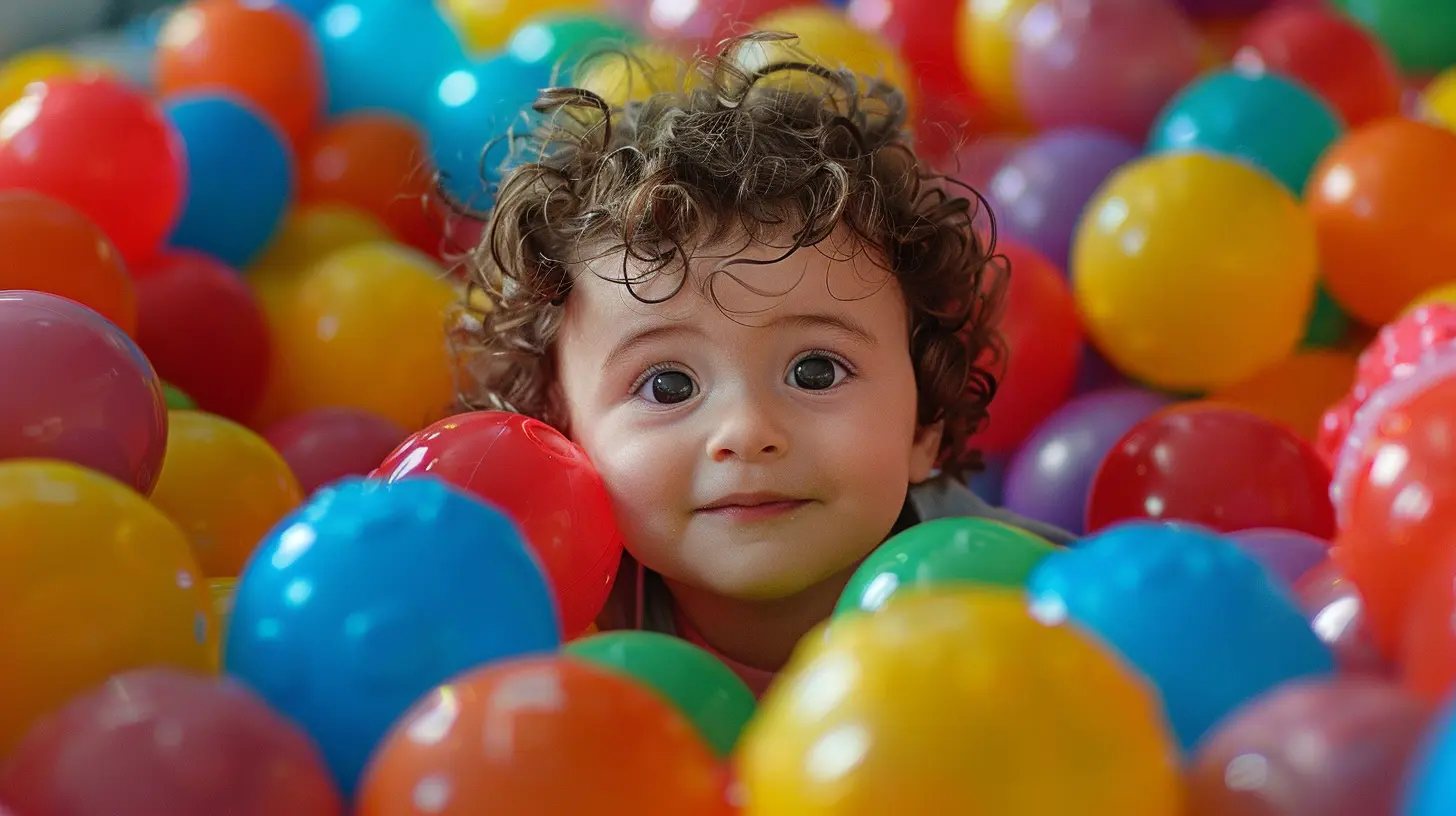
? Why Motor Skills Matter (More Than You Might Think)
Before we jump into the play-by-play (see what I did there?), let’s talk about why motor skills are such a big deal for toddlers.Motor skills are basically the movements that let your child explore the world—think crawling, walking, stacking blocks, holding a spoon, or even flipping the pages of their favorite storybook. They’re divided into:
- Gross motor skills: The big movements like running, jumping, climbing.
- Fine motor skills: The smaller stuff—grasping, pinching, that oh-so-adorable crayon scribbling.
Both types are essential. Gross motor skills set the foundation for physical confidence, while fine motor skills prep your toddler for crucial tasks like writing, eating independently, and self-dressing.
Okay, let’s get to the good stuff.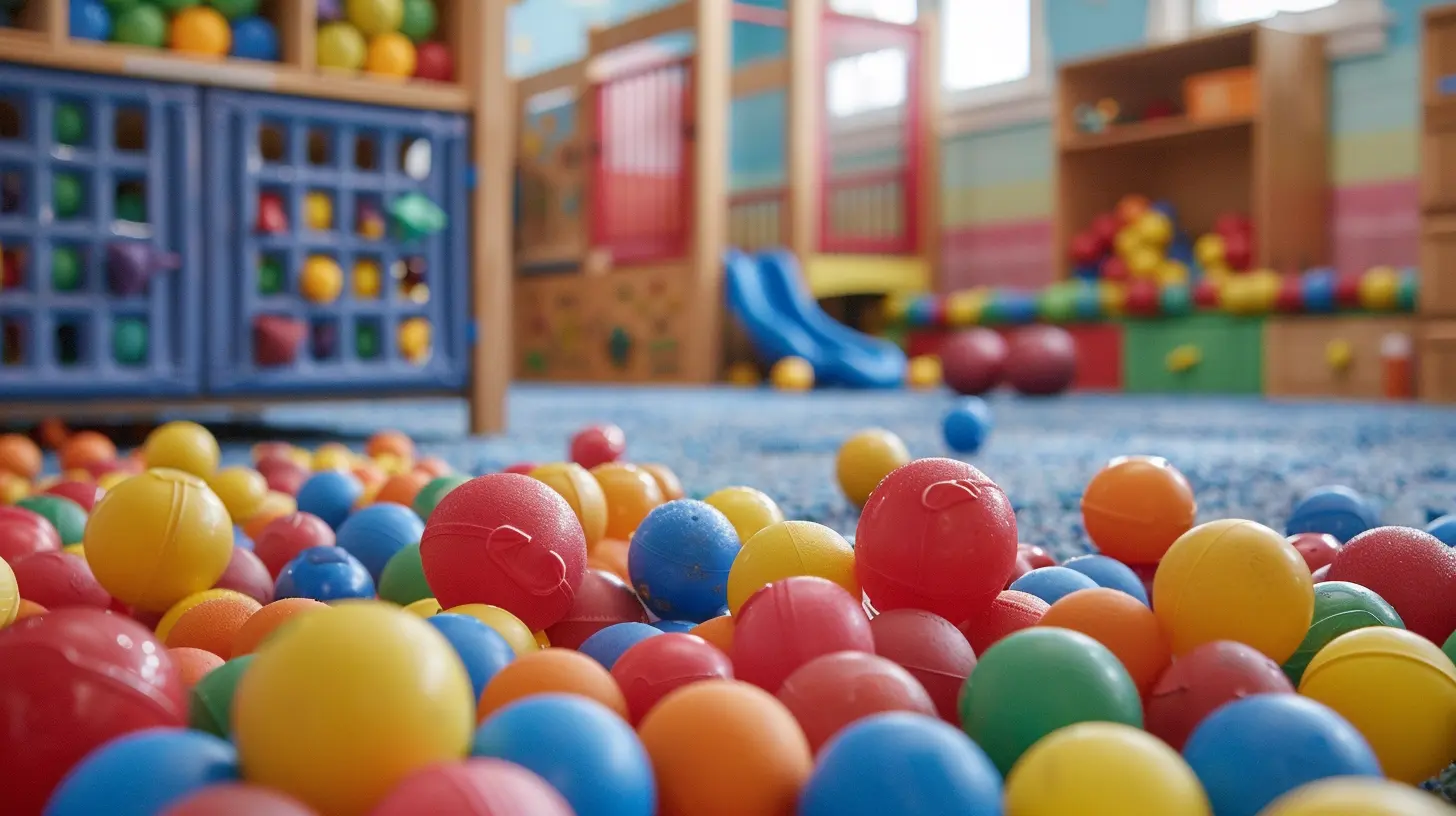
? 1. Finger Painting Fun
Age Range: 18 months and upSkills Boosted: Fine motor coordination, color recognition, sensory processing
Who doesn't love a little messy fun? Give your toddler a tray of non-toxic, washable paints and a big sheet of paper. Let them go wild with their fingers.
What’s happening behind the scenes? They’re strengthening the little muscles in their hands and fingers—skills they're going to need for using utensils and holding crayons.
Worried about the mess? Tape down a plastic tablecloth under their play area or take it outside. Trust me, it's worth it.
? 2. Block Building Bonanza
Age Range: 12 months and upSkills Boosted: Hand-eye coordination, problem-solving, spatial awareness
Blocks are a classic toy for a reason. Your toddler learns to grip, stack, knock over (and rebuild) their tiny towers. And while they’re at it, they’re developing coordination and patience. Those wobbly towers have a way of teaching resilience too!
Start with larger stacking blocks for smaller hands and work toward smaller ones as they grow.
? 3. Obstacle Course Adventure
Age Range: 18 months and upSkills Boosted: Balance, agility, core strength
You don’t need a gym to create a toddler-friendly obstacle course. Use couch cushions as steps, lay a blanket on the floor as a "river" to jump over, and let them crawl under chairs. Add fun challenges like "hop like a bunny" or "walk like a crab."
Why is this magical? Because it gets them using their whole body in different ways, helping them build coordination and core strength while also having a blast.
? 4. Laundry Basket Toss
Age Range: 15 months and upSkills Boosted: Arm strength, aim, coordination
Grab a laundry basket and some soft balls or rolled-up socks. Show your toddler how to throw the balls in, and let them keep trying.
Yep, it’s basically laundry-day basketball. It's simple, fun, and great for both gross and fine motor skills. Plus, they might just start helping with the actual laundry (fingers crossed!).
? 5. Bubble Popping Game
Age Range: 12 months and upSkills Boosted: Reaction time, coordination, sensory development
You're never too old—or too young—for bubbles. Blow bubbles for your toddler and encourage them to pop them with their fingers, hands, or even their feet.
This improves hand-eye coordination and encourages movement. Also, chasing bubbles? Toddler cardio at its finest.
? 6. Animal Charades
Age Range: 18 months and upSkills Boosted: Gross motor skills, creativity, imitation skills
Call out animals and show your toddler how to act them out—crawl like a bear, hop like a frog, waddle like a duck.
They’re not only building muscles and coordination—they're learning how to observe and mimic, which is a big part of toddler learning.
? 7. Ice Cube Transfer
Age Range: 20 months and upSkills Boosted: Fine motor control, patience, sensory exploration
Take a few ice cubes, some cups, a small spoon or scoop, and let your toddler transfer the cubes from one container to another.
They’ll be working those little hand muscles and learning control. Plus, the cold factor? Oh-so-fun for curious little hands.
? 8. Sticker Play
Age Range: 18 months and upSkills Boosted: Fine motor precision, hand-eye coordination
Grab a sheet of stickers and a notebook or piece of paper. Peeling and sticking is tougher than it looks for tiny fingers, making it a perfect fine motor workout.
Bonus: Draw shapes or outlines and let your kid place stickers inside for extra learning.
✂️ 9. Safe Scissor Practice
Age Range: 2 years and up (with supervision)Skills Boosted: Hand strength, bilateral coordination
Get a pair of toddler-safe scissors and some old magazines or construction paper. Guide them as they learn to snip, cut, and eventually make their own masterpieces.
Cutting helps with wrist movement, control, and using both hands together—a fine motor jackpot.
? 10. Play Dough Playtime
Age Range: 15 months and upSkills Boosted: Hand muscles, creativity, sensory engagement
Squish it, roll it, flatten it, cut it. Play dough is basically toddler therapy in a tub. It's fun, endlessly creative, and strengthens all the tiny muscles that are key to writing and drawing later on.
Make your own with flour, salt, and food coloring—you'll both feel like mad scientists.
? 11. Push & Pull Toys
Age Range: 12 months and upSkills Boosted: Stability, coordination, walking skills
Push toys like baby shopping carts or pull toys like wheeled animals help toddlers develop balance while adding purpose to their steps. Think of it as assisted mobility with a side of fun.
As they move through the house with their toy trailing behind, their posture and motor planning get a major boost.
? 12. Dance Party (With a Twist)
Age Range: All agesSkills Boosted: Rhythm, gross coordination, listening skills
Put on your favorite playlist, get silly, and dance around the living room. Add freeze-dance moments or copy-the-move challenges. Toddlers love music, and dancing pumps up motor skills while letting them burn off some of that endless energy.
And yes, it totally counts as cardio for you too.
? 13. Puzzle Time
Age Range: 18 months and upSkills Boosted: Fine motor coordination, matching skills, patience
Simple puzzles with big pieces not only entertain but also teach your toddler how to grasp, rotate, and place pieces correctly. Start with chunky wooden puzzles shaped like animals or vehicles.
Each success is a confidence booster—and yep, you’ll probably hear an enthusiastic “I did it!”
? 14. Bath Toy Fishing
Age Range: 18 months and upSkills Boosted: Fine motor precision, eye-hand control, patience
Throw in some floating toys during bath time and hand your toddler a small strainer or toy fishing rod. Catching toys is oddly satisfying and helps fine-tune those itty-bitty hand skills.
Just be ready—the "fishing" may last longer than the bath!
? 15. Gardening with Toddlers
Age Range: 2 years and upSkills Boosted: Coordination, sensory exploration, responsibility
Give your little one a small shovel and a spot in the garden or a pot to dig in. Let them plant seeds, water the soil, and pull tiny weeds. It’s fantastic for motor skills, and you're planting more than just seeds—you’re growing patience, care, and focus.
And hey, dirt is just nature’s sensory bin, right?
? Final Tips for Making Playtime Count
1. Keep it short and sweet: Toddlers don’t need hours. Just 15-30 minutes of focused play can go a long way.2. Follow their lead: If your child is more into jumping than coloring, roll with it. They’ll develop different skills at different paces.
3. Rotate toys: Less is more. Bring out a few toys at a time to keep play fresh and engaging.
4. Join in: Your presence turns any activity into quality time. Plus, they’ll copy what you do!
?? Your Bond Grows While They Do
The coolest part? You’re not just helping your toddler grow motor skills. You're bonding, laughing, and making memories. Every tower built, every sticker stuck just right—it all adds up to happier, more confident little humans.So next time you're knee-deep in playdough or dodging flying socks in a laundry basket toss, remember: you're doing something extraordinary.
High five, parent. You’ve got this.
all images in this post were generated using AI tools
Category:
Playtime IdeasAuthor:

Karen Hurst
Discussion
rate this article
2 comments
Zevan Davis
What if the simplest play could unlock hidden potential? Each game is a doorway to discovery, waiting for your little one to step through...
June 9, 2026 at 4:41 PM
Karen Hurst
Absolutely! Simple play can spark creativity and improve motor skills. Every game offers a chance for growth and exploration.
Zadie McKnight
Unlock their potential today!
May 10, 2026 at 3:51 PM
Karen Hurst
Absolutely! Engaging playtime activities can really help toddlers thrive.