Signs of a Growing Personality: Toddler Traits to Watch For
16 December 2025
Every parent marvels at the incredible changes their little one goes through in the first few years. One minute, they're a tiny bundle who relies on you for everything, and before you know it, they're showing strong opinions about what color cup they want. (Spoiler alert: it's never the one you offer first!)
But beyond the tantrums and giggles, your toddler is developing a personality—one that is uniquely theirs. Let’s dive into some telltale signs that your child is growing into their own person, complete with quirks, preferences, and budding emotions.
1. Independence Begins to Shine
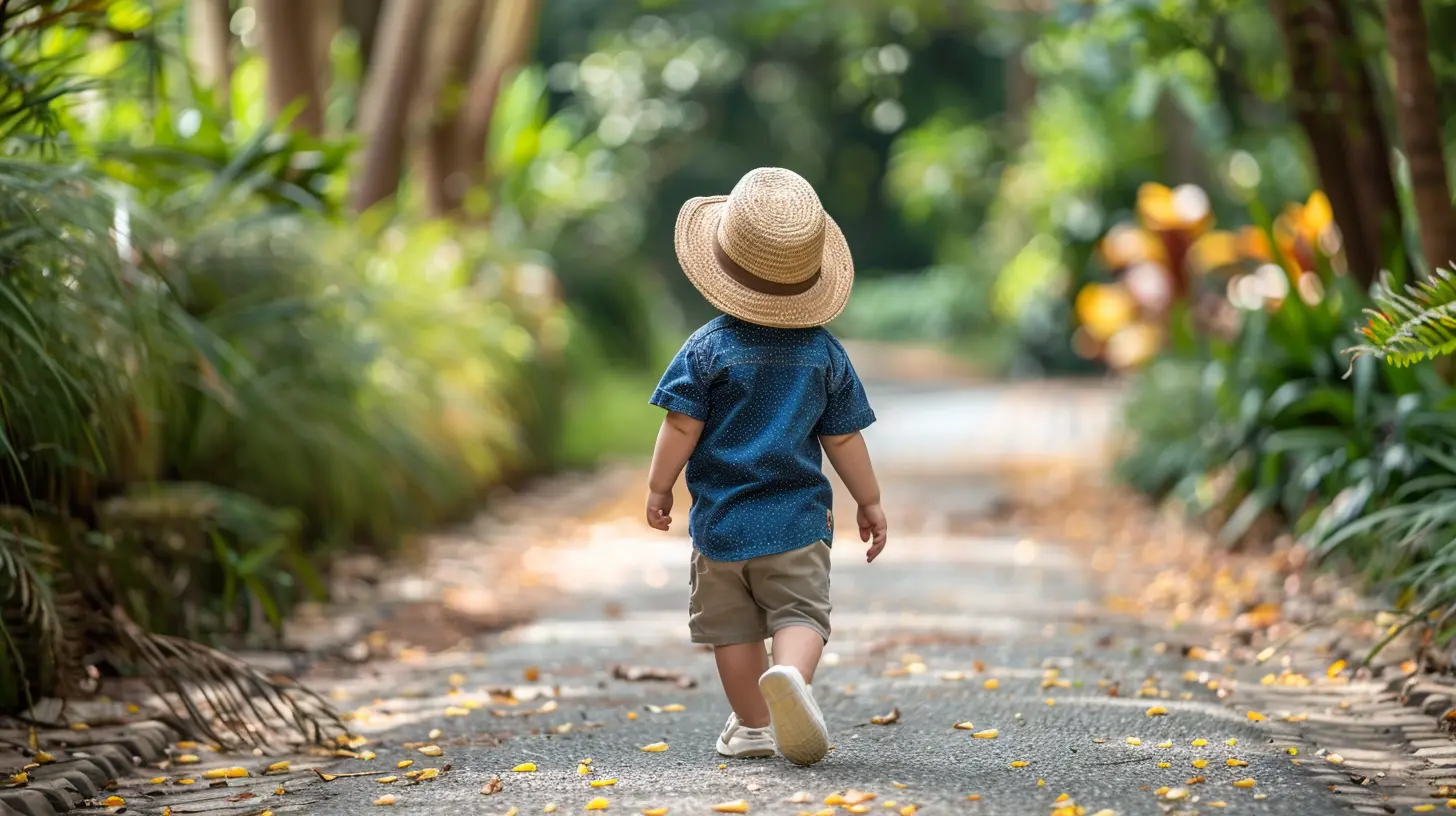
One of the biggest (and sometimes most challenging) milestones in toddlerhood is the quest for independence. Have you noticed your child suddenly insisting on doing things “all by myself”? Whether it’s putting on their shoes (even if they’re on the wrong feet) or trying to pour their own juice, this is a huge sign their personality is emerging.Why It Matters
- Independence builds confidence and self-esteem.- It shows cognitive development as they understand a task needs to be completed.
- Even when they struggle, their determination speaks volumes about their budding resilience.
Encouraging independence—while still offering a safety net—helps them navigate the world with confidence.

2. Strong Preferences and Opinions Arise
Ever offered your toddler a snack, only to have them reject it because they wanted the other one? Toddlers are notorious for their strong likes and dislikes. From only wanting to wear dinosaur pajamas to refusing to eat anything green, they are starting to assert control over their little world.What This Means
- Your child is developing a sense of identity.- They’re learning decision-making skills.
- Their preferences might hint at future hobbies, talents, or interests.
While it can be frustrating when they refuse to wear anything other than their superhero cape for a week straight, it’s a sign that their personality is blossoming.
3. Increased Curiosity and Endless Questions
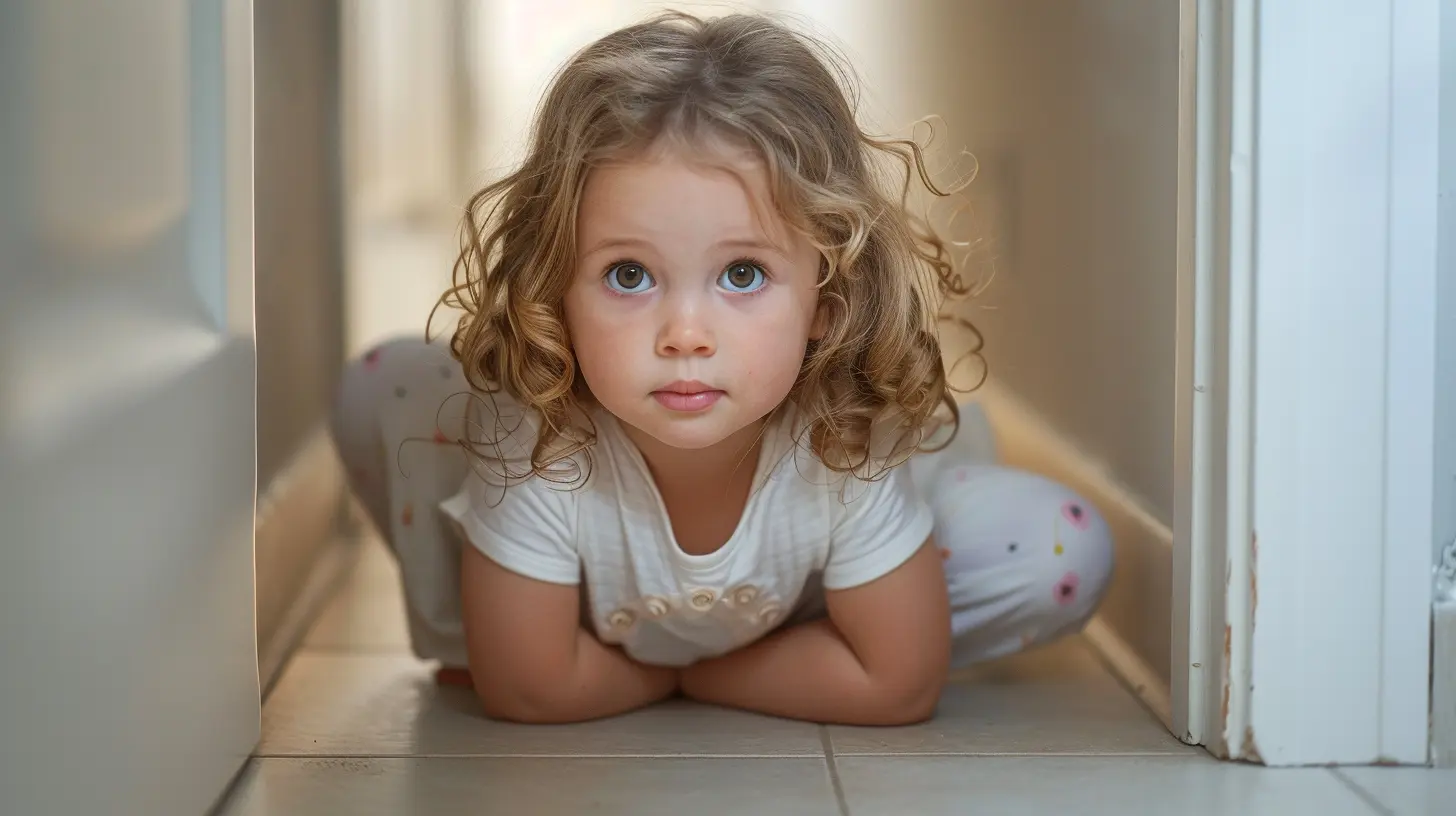
If you've ever been bombarded with "Why?" a hundred times in an hour, congratulations! Your toddler is exhibiting one of the clearest signs of cognitive and personality growth. Their little brains are working overtime, trying to make sense of their surroundings.Signs of a Curious Toddler
- Constantly asking "Why?" and "How?"- Taking things apart just to see how they work.
- Exploring their environment with enthusiasm.
This curiosity, while sometimes exhausting for parents, is an incredible trait that fosters creativity and problem-solving skills. Engage with their questions, even if you don’t always have the perfect answer.
4. Displaying a Sense of Humor
Did your toddler make a silly face and crack up laughing at their own joke? A child’s sense of humor starts developing early, and it’s a great indicator of their personality growth.Why It’s Important
- Humor shows cognitive development and social awareness.- It helps build connections with others.
- It’s a great way to develop emotional intelligence.
Encouraging laughter and silliness helps make learning fun and strengthens your bond with your child.
5. Strong Emotions and Expressions
Toddlers experience big emotions, and they aren’t shy about showing them. One minute they’re laughing, the next they’re in tears because their sandwich was cut into triangles instead of squares. These intense emotions are a sign of personality emerging.What to Watch For
- Expressing joy, frustration, and excitement vividly.- Showing empathy by comforting a friend or stuffed animal.
- Having mini meltdowns when things don’t go their way.
While emotional outbursts can be tough, they signal that your child is learning to navigate feelings. Teaching them simple ways to express emotions, like saying “I’m mad” instead of screaming, helps them develop emotional intelligence.
6. Growing Social Skills
Toddlers start shifting from parallel play (playing near others but not directly interacting) to more engaging forms of play, like sharing toys and understanding turn-taking. Even if they’re still working on mastering these skills (sharing is hard for little ones!), their interactions with siblings and friends reveal a lot about their personality.Signs of Social Growth
- Initiating play with other kids.- Showing interest in other people's emotions.
- Starting to negotiate (even if it’s about who gets the bigger cookie).
Some toddlers are natural social butterflies, while others prefer more quiet, independent play. Both are normal and reflect their unique personalities.
7. Imaginative Play Takes Off
A toddler’s imagination is a beautiful thing. One day, their stuffed animals are having a tea party; the next, they’re superheroes saving the world. Engaging in pretend play is a major milestone in personality development.Why It’s Amazing
- Imagination fosters creativity and problem-solving.- Role-playing helps with social and emotional growth.
- It signals cognitive development as they create and explore new ideas.
Encouraging imaginative play with simple props or open-ended toys can help nurture this developing personality trait.
8. Developing a Sense of Routine and Order
Does your toddler insist on lining up their cars a certain way or following the same bedtime routine down to the last step? Many toddlers thrive on consistency, which signifies their cognitive growth and desire for control over their environment.Why It Matters
- It shows an awareness of structure and time.- Helps them feel safe and secure in their routines.
- Develops early organizational and planning skills.
While it’s okay to be flexible at times, respecting certain routines can help ease transitions and reduce tantrums.
9. Increased Problem-Solving Abilities
Ever watched your toddler stack blocks, only to have them tumble down? Instead of giving up, they try again in a different way. That’s problem-solving in action! This is one of the most exciting signs of growing intelligence and perseverance.Signs of a Problem-Solver
- Trying different methods to complete a task.- Asking for help when needed.
- Experimenting with new ways to do things.
Encouraging problem-solving from an early age helps build resilience and confidence.
10. Showing Compassion and Empathy
You might notice your toddler comforting a crying sibling, giving you a hug when you seem sad, or sharing their favorite toy with a playmate. These small but meaningful acts of kindness indicate emotional maturity.Why It’s Essential
- Empathy helps foster strong relationships.- It shows emotional intelligence development.
- It’s a foundation for kindness and generosity.
While toddlers are still figuring out big emotions, celebrating their compassionate moments reinforces these positive traits.
Encouraging Your Toddler’s Personality Growth
Now that you know what to watch for, how can you nurture these developing traits? Here are some everyday strategies:- Give them choices – Let them pick between two outfits or select a bedtime story.
- Encourage independence – Allow them to help with small tasks like setting the table.
- Be patient with emotions – Help them label and understand their feelings.
- Let them explore – Foster curiosity through play and hands-on learning.
- Celebrate their uniqueness – Every toddler develops differently, and that’s okay!
Final Thoughts
Watching your toddler’s personality bloom is one of the most rewarding parts of parenting. Some days, their independence and strong will may make you want to pull your hair out, but these are also the same qualities that will one day make them determined, creative, and kind individuals.So, embrace the quirks, the tantrums, and the endless "why" questions—because each one is a stepping stone on their journey to becoming their own wonderful little person.
all images in this post were generated using AI tools
Category:
Toddler MilestonesAuthor:

Karen Hurst
Discussion
rate this article
2 comments
Winona Sullivan
This article beautifully captures the fascinating signs of personality development in toddlers. Recognizing these traits helps parents support their child's growth and individuality. It's a must-read for anyone navigating the joys of toddlerhood!
December 22, 2025 at 5:27 PM
Karen Hurst
Thank you for your kind words! I'm glad you found the article helpful in understanding toddler personality development.
Lola Abbott
Watch out! These traits might outsmart you soon!
December 16, 2025 at 3:52 PM
Karen Hurst
Thank you for the warning! It's fascinating to see how their cleverness develops.