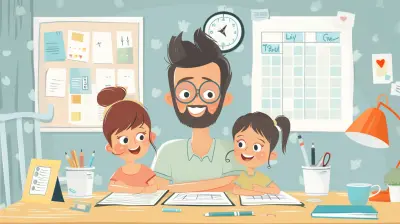
Teaching Organization Skills to School-Age Children
29 June 2026
Let’s be honest—getting kids to be organized is no small feat. If you’ve ever opened your child’s backpack to find a crumpled permission slip from last month or scrambled to locate a missing shoe during the morning rush, you’re not alone. Teaching organization skills to school-age children can feel like trying to herd cats. But here’s the truth: those small, everyday chaos moments are golden opportunities to create lifelong habits.
Yep, with a little patience, consistency, and a sprinkle of creativity, your child can become more organized—and maybe even enjoy it! So let’s roll up our sleeves and dig into how we can help our kids be a little less scattered and a lot more in control.
Why Organization Skills Matter (Even for Little Humans)
You might be thinking, "Do kids really need to be organized?" Absolutely! And not just because it makes our lives easier (though that’s a nice bonus).When children learn how to manage their time, keep their stuff in order, and plan ahead, they develop critical life skills that set them up for success. Organization helps improve:
- Time management (hello, no more last-minute science projects)
- Responsibility (taking ownership of their belongings and tasks)
- School performance (because missed homework is a thing of the past)
- Stress management (less chaos = fewer meltdowns)
These skills don’t come naturally to most kids. They need to be taught—and practiced. The good news? You don’t have to be a type-A supermom or dad to make it happen.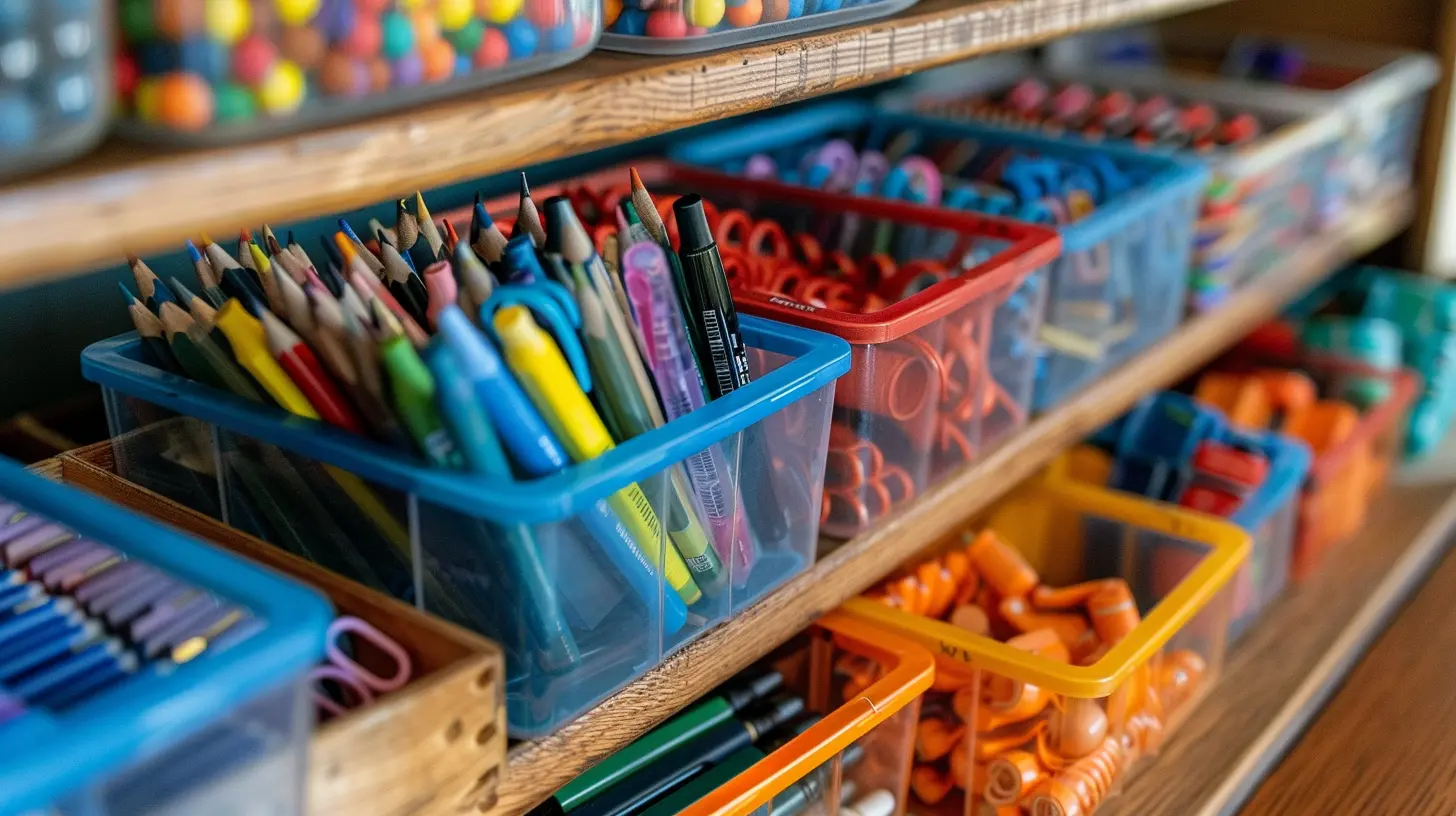
When to Start Teaching Organization
The sweet spot? Around ages 6 to 12.At this stage, children are more independent, have regular school responsibilities, and can understand basic concepts like deadlines, prioritizing, and tidiness. Plus, they’re still young enough to shape habits before the teenage years (because we all know that’s a whole different ball game).
Start small. Build gradually. Celebrate progress. That’s the name of the game.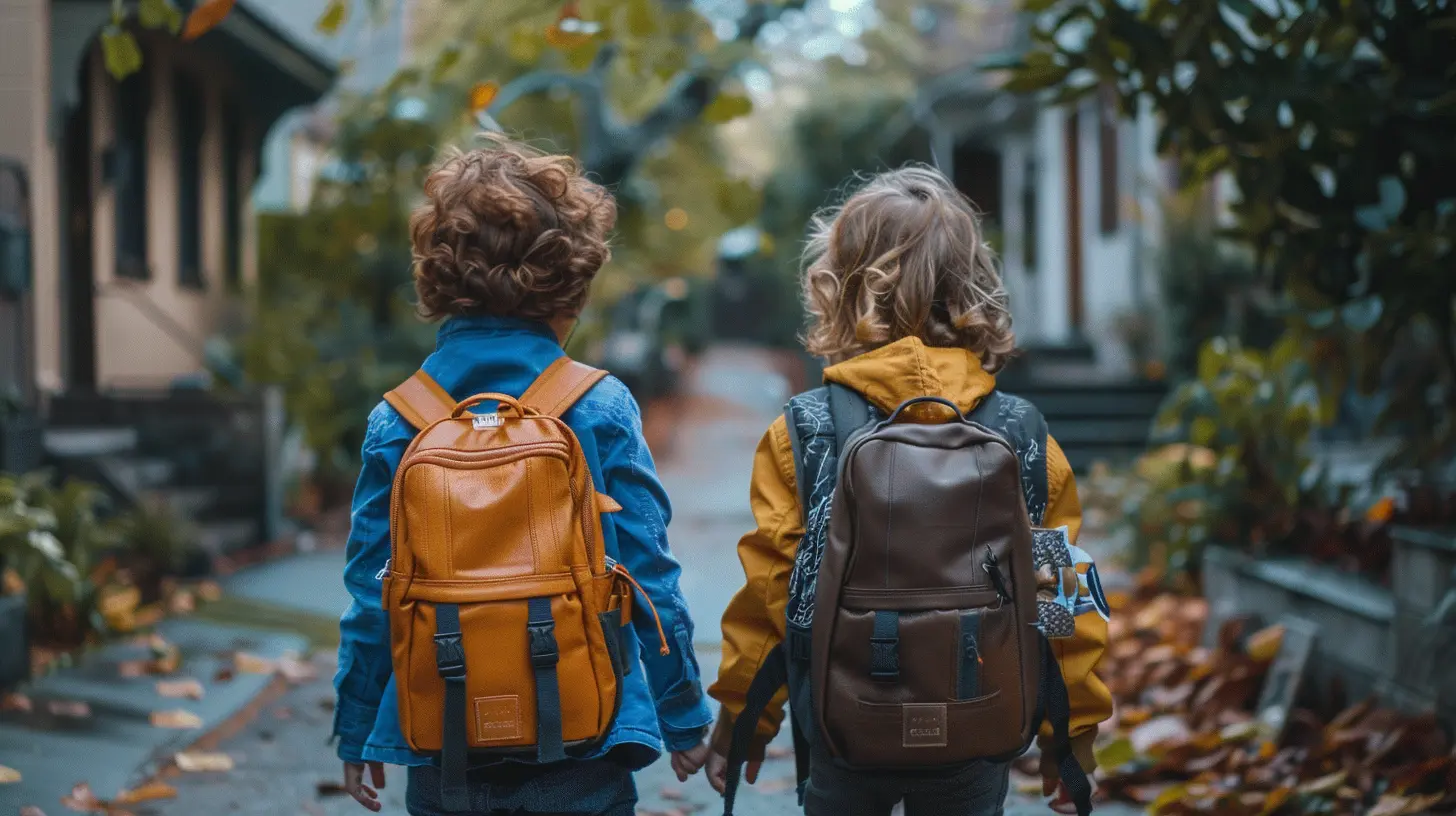
Step-by-Step Guide to Teaching Organization Skills
1. Start with a Routine (Consistency is Queen)
Everyone functions better with a routine—even kids who say they hate it. A predictable structure gives them a sense of control and helps them know what’s expected.- Morning checklist: Wake up, brush teeth, get dressed, eat breakfast, pack bag.
- After-school routine: Snack, homework, free time, chores.
- Bedtime steps: Bath, story, lights out.
You can use visuals like charts and icons for younger kids. Want a bonus tip? Let them help make the routine—it gives them a sense of ownership.
2. Create “Homes” for Belongings
Ever noticed how things always get lost when they don’t have a designated spot? Kids need clear “homes” for their stuff.- Backpack goes on a hook by the door.
- Homework folder stays in their backpack.
- Dirty clothes go in the hamper (not the floor…in theory, at least).
Use clear bins, labels, and colors. The simpler, the better. When everything has a place, cleanup becomes a lot less overwhelming.
3. Use a Family Calendar
Ah, the magic of a shared calendar. This is where time management starts to click for kids.Get a large wall calendar or a dry-erase board and write down:
- School due dates
- Sports practices
- Birthdays
- Family events
Encourage your child to add their appointments or events. It helps them feel involved, and it teaches them to plan ahead.
4. Break Big Tasks Into Bite-Sized Pieces
A school project due in two weeks might seem lightyears away to a child. They don’t always grasp how long big tasks take—until it’s 10 p.m. the night before it’s due.So, teach them to break it down.
For example:
- Day 1: Pick a topic
- Day 2: Do research
- Day 3: Make a rough draft
- Day 4: Final touches
Use a checklist and let them cross off each step. It’s satisfying and keeps them on track.
5. Encourage Lists and Planners
Not all lists are boring, I promise! There’s something super satisfying about checking things off, especially for kids who like visual progress.Start simple:
- Homework to-dos
- Things to pack for school
- Chores for the weekend
Older kids can graduate to planners or digital apps (like Google Keep or MyStudyLife), but even a sticky note on the fridge works wonders.
6. Help Them Declutter Regularly
Kids accumulate clutter like squirrels collect acorns. Old toys, broken pencils, mystery wrappers—they all end up lingering in bedrooms and backpacks.Set up a declutter day—maybe once a month—to purge and organize together. Make it fun! Put on music, offer a small reward, or make it a family challenge.
Teach them the golden rule: “If I don’t use it, need it, or love it, out it goes.”
7. Model the Behavior You Want to See
Let’s be real for a sec: kids imitate what we do more than what we say.If our counters are always chaotic and we’re constantly running late, it’s hard to expect our kids to be the poster child for organization. But that doesn’t mean you need to be perfect.
Let them see you planning meals, using checklists, and organizing your space. Share when you're feeling overwhelmed and how you deal with it. You’re teaching by example—one coffee-stained to-do list at a time.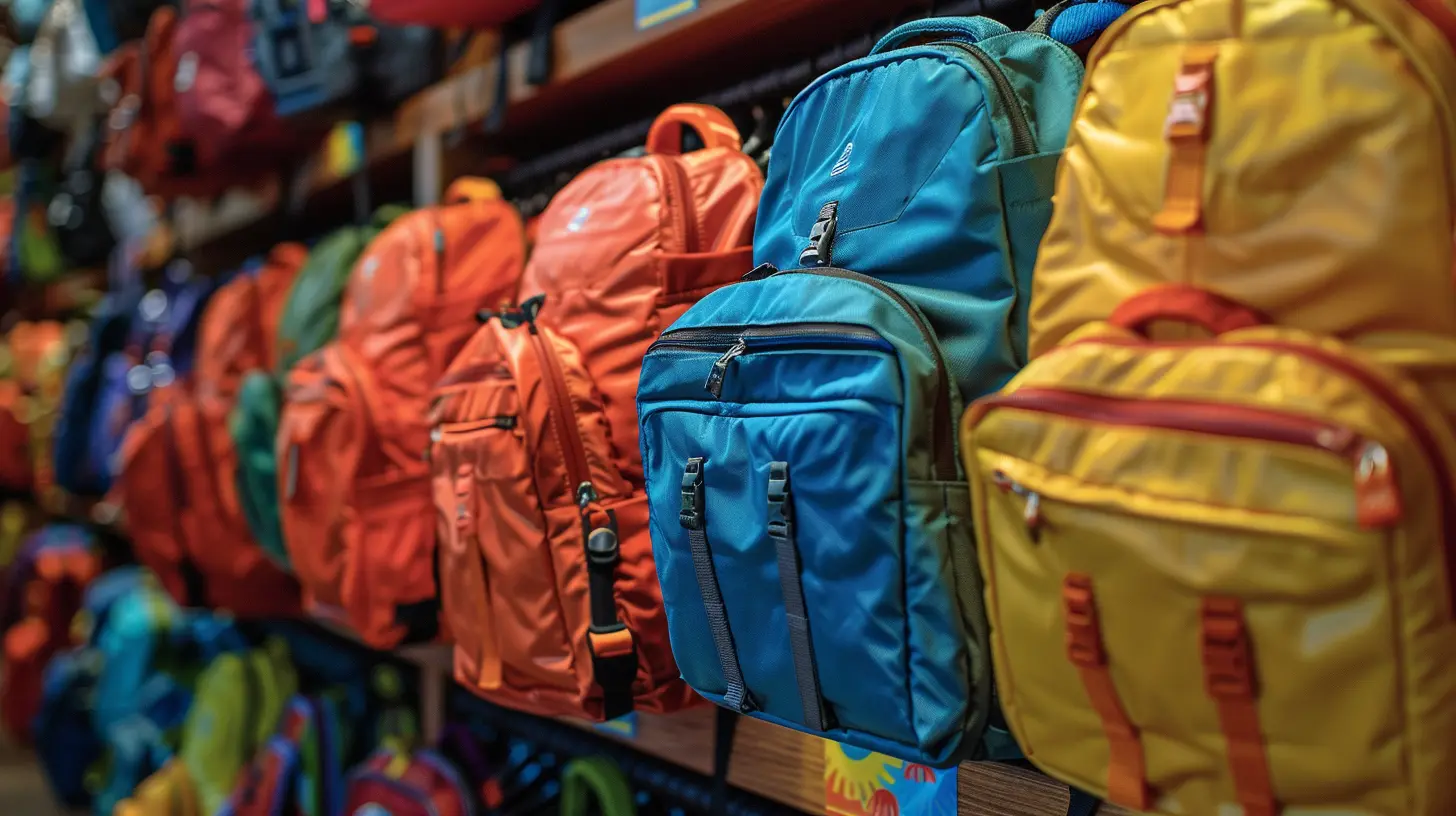
Turning Lessons Into Habits (Without the Nagging)
We get it—no one wants to turn into The Nagging Parent™. So how do we gently (but effectively) build these skills?? Give Choices
“Do you want to pack your bag before or after your snack?” Giving them a say teaches accountability without power struggles.? Praise Progress, Not Perfection
“Hey, I noticed you finished your homework without being reminded. That’s awesome!” Compliments work better than criticism.? Keep Tools Simple
Fancy systems can backfire if they’re too complicated. Stick to what your child understands—and what fits their personality.? Stay Patient
They’ll forget. They’ll stuff their math worksheet in with their lunch. That’s okay. Every misstep is a learning moment.Challenges You Might Face—and How to Tackle Them
Let’s be real: it won’t be smooth sailing every day. Kids are kids, and old habits die hard. Here are a few hiccups that might pop up:? The “Slow Starter”
Some kids just take longer to warm up to routines. Stick with it. Even a tiny step forward (like hanging up their coat) is progress.? The “Easily Overwhelmed” Child
For kids with ADHD or anxiety, organization might feel like climbing Everest in flip-flops. Break things into even smaller steps, offer lots of gentle reminders, and consider visual aids like charts or picture schedules.? The “I Do It My Way!” Kid
Independence is great—until it turns into chaos. Let them have input, but set non-negotiables. (“You can choose where to keep your homework as long as it’s always in that place.”)Celebrating Wins: The Secret Sauce
You know what makes all the difference? Celebrating the little wins.Did your child get ready on time all week? Time for a high-five and maybe a trip for ice cream.
Did they pack their lunch without help? Clap it up!
Positive reinforcement keeps motivation up and makes the process (dare I say it) fun.
Final Thoughts: Patience, Practice, and Progress
Teaching organization skills to school-age children isn’t about turning them into little robots. It’s about helping them build tools that will serve them for life—whether it’s acing a science fair, staying calm during finals, or eventually juggling work emails and dentist appointments.Remember, it’s not about perfection. It’s about progress.
And every time your kid puts their shoes away or checks off a task without a nudge from you? That’s a win worth celebrating.
So go ahead—start small, stay consistent, and trust that the seeds you’re planting today will bloom into pretty amazing habits tomorrow.
all images in this post were generated using AI tools
Category:
Back To School TipsAuthor:

Karen Hurst
Discussion
rate this article
1 comments
Quill Hernandez
Teaching kids organization isn't just about neat desks and color-coded folders. It's a life skill that sets the foundation for success. Start small-like making a weekly plan together. Celebrate their mini achievements, because those little wins teach them that being organized can actually be pretty rewarding... and fun!
July 1, 2026 at 2:50 PM
Karen Hurst
Absolutely! Starting with small steps like a weekly plan can make a big difference. Celebrating those wins helps kids see the value in being organized while having fun along the way. Great insights!