The Benefits of Prenatal Yoga for Expecting Moms
25 December 2025
Pregnancy is a beautiful journey—but let’s be real, it’s also a rollercoaster ride of emotions, physical changes, and the occasional weird craving at 3 a.m. Amid the excitement of baby showers and nursery decorating, there’s one activity that quietly works wonders behind the scenes: prenatal yoga.
Yep, prenatal yoga isn’t just trendy. It’s backed by science, loved by moms, and praised by doctors for a reason. Whether you’re navigating your first trimester or heading into the home stretch, prenatal yoga can nurture your body and mind in ways you didn’t even realize you needed.
So roll out that yoga mat, grab your water bottle, and let’s dive into why prenatal yoga might just become your favorite part of pregnancy.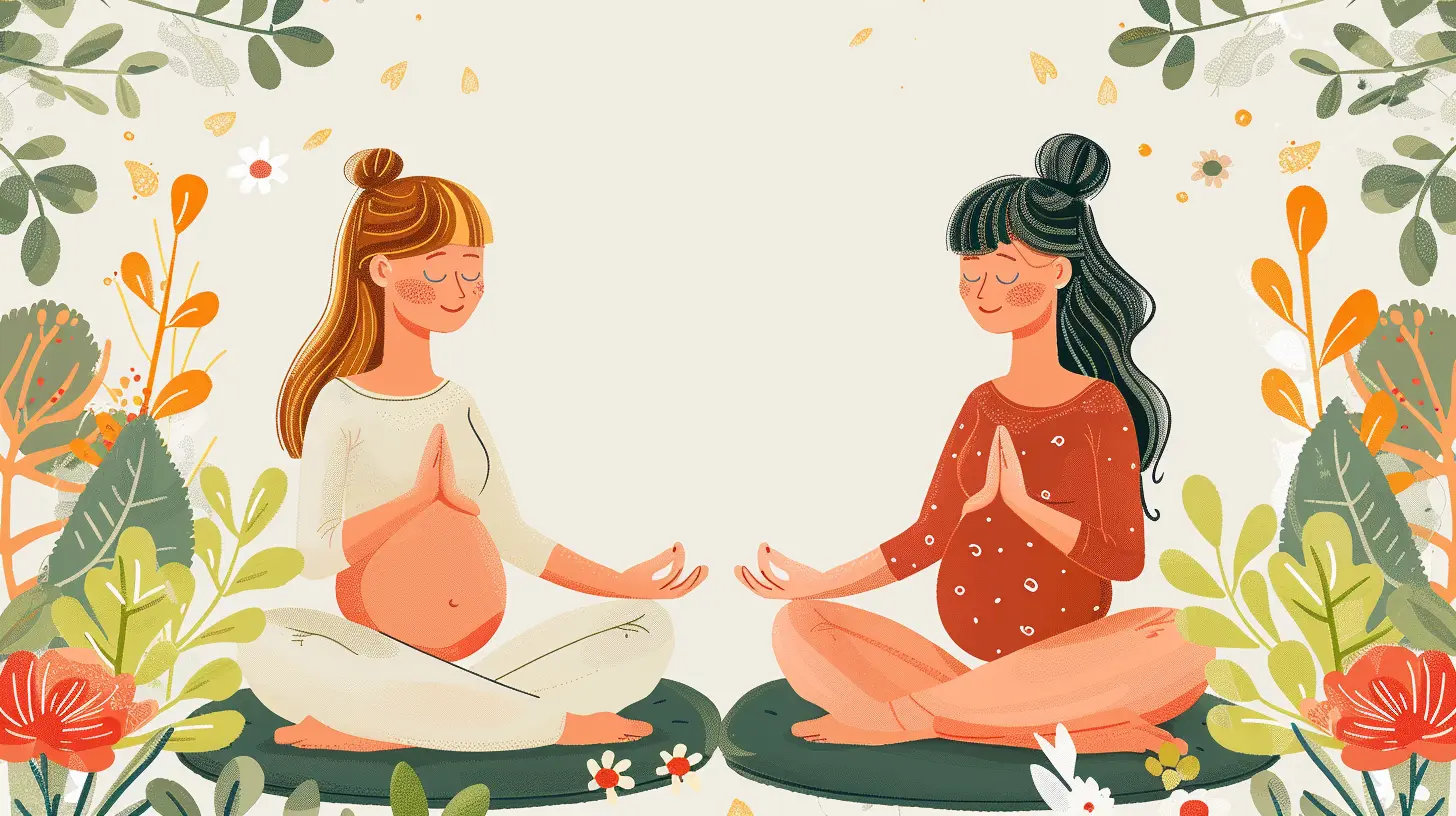
What Is Prenatal Yoga, Anyway?
Let’s start from the beginning. Prenatal yoga is a gentle form of yoga specifically designed for pregnant women. It includes:- Safe stretching
- Focused breathing
- Gentle movement
- Meditation and relaxation techniques
Think of it like your body’s user manual during pregnancy—each pose helps you adapt to the changes, reduce discomfort, and prep for delivery.
Unlike your hot yoga class or those intense vinyasa flows, prenatal yoga slows things down and prioritizes safety, especially for your growing bump.
Why Prenatal Yoga Isn’t Just Another Wellness Trend
You’ve probably seen celebrities or influencers striking graceful poses on Instagram, captioned with something like “Mama glow.” But prenatal yoga isn’t just about aesthetics.This ancient practice supports your physical, mental, and emotional well-being throughout pregnancy—and yes, it even helps with labor and delivery!
Let’s break down the real benefits.
1. Goodbye Aches and Pains
Pregnancy can mess with your posture, strain your back, and make your hips feel like they’re on fire. Enter prenatal yoga.By engaging in poses that gently stretch and strengthen muscles, prenatal yoga helps:
- Relieve lower back pain
- Open up the hips
- Improve posture
- Ease sciatica and round ligament pain
Basically, it gives your body a tune-up, helping you feel more like yourself—even if you haven’t seen your toes in weeks.
> “My prenatal yoga class was the only thing keeping my back from permanently becoming a question mark,” shared one mom-to-be. And honestly? Same.
2. Improved Sleep (Yes, Really!)
If you’re tossing and turning because your belly has officially taken over your bed, you’re not alone. Sleep struggles are real during pregnancy.Prenatal yoga focuses on calming breathing and relaxation techniques that help quiet your mind and relax your body before bedtime.
Think of it as a natural sleep aid—no pills, no side effects—just deep breaths and gentle movement that coax your body into rest mode.
3. Prepares You for Labor (Mentally and Physically)
Labor is kind of like running a marathon… but you're not sure when it starts, how long it lasts, or how intense it’ll be. Sounds fun, right?Prenatal yoga trains your body and mind for this exact situation. Through breathing exercises (like ujjayi breath), gentle squats, and hip openers, you’ll build strength and endurance while learning how to stay calm when things get intense.
Plus, breathing techniques practiced in yoga can make contractions more manageable and help you stay centered.
> “I breathed through every contraction, just like we practiced in yoga,” said a mom in my class. “It didn’t make labor pain-free, but it made me feel powerful.”
4. Boosts Your Mood and Reduces Stress
Hormones got you crying over spilled milk (or a dropped spoon)? Totally normal.Prenatal yoga acts like a reset button for your emotional health. The combination of movement, breathing, and mindfulness reduces stress hormones like cortisol and increases feel-good chemicals like serotonin.
It also offers a chance for you to just be present—to connect with your growing baby and tune in to your body.
So the next time you feel like a bundle of nerves, 20 minutes on the mat can make a world of difference.
5. Strengthens the Mind-Body Connection
During pregnancy, it’s easy to feel like your body’s driving the car—and you’re just along for the ride.Prenatal yoga helps bridge that gap, creating awareness of how your body feels, how it’s changing, and what it needs. That awareness is invaluable, not just during pregnancy, but also in postpartum recovery.
It helps you listen to yourself—and sometimes, that’s more powerful than any piece of advice you’ll get.
6. Builds a Supportive Mom Tribe
One of the best-kept secrets of prenatal yoga? The community.Classes often bring together moms in similar stages of pregnancy. Sharing struggles, swapping stories, and even laughing about swollen feet together adds a social support layer you didn’t know you needed.
Making mom friends before your baby even arrives? That’s a win.
> “The friends I met in prenatal yoga became my lifeline during those early newborn days,” said one mom. That connection is priceless.
7. Helps With Balance (Literally and Figuratively)
Let’s talk about body balance—something that can get a bit wobbly when your center of gravity shifts during pregnancy.Prenatal yoga gently strengthens stabilizing muscles and helps you maintain balance—especially as your belly grows.
But it’s more than just physical. Practicing yoga helps you find emotional balance too. When life gets overwhelming or uncertainty creeps in, yoga reminds you to breathe, ground down, and take things one moment at a time.
8. Encourages Healthy Weight Gain
Staying active during pregnancy supports healthy weight gain, which is important for both you and your baby.Prenatal yoga offers a gentle form of exercise that gets your blood flowing without overexertion. And because it’s low-impact, it’s a great option even on days when you're not feeling your best.
Always check with your healthcare provider before starting a physical routine, but for many women, prenatal yoga is a safe and effective way to stay active.
9. Easier Postpartum Recovery
Think of prenatal yoga as preventive self-care for your postpartum self.By strengthening your core, pelvic floor, and overall body awareness, you’ll be more prepared for the physical demands of early motherhood—lifting, feeding, bending, bouncing, and the oh-so-glamorous diaper changes.
And because prenatal yoga promotes flexibility and circulation, your body may bounce back more easily after delivery.
10. Deepens Connection with Baby
Every stretch, every breath, every quiet moment on the mat—it all fosters a deeper bond with your baby. As you tune in to your body, you’re also tuning in to that little life growing inside you.Some moms say prenatal yoga helped them “meet” their baby before birth. It’s that powerful.
What to Expect in a Prenatal Yoga Class
Feeling nervous? Don’t be. No one expects you to be a yogi master. These classes are designed with pregnant bodies in mind—modifications and props are your best friends.Here’s what a typical class might include:
- Gentle Warm-Up: Loosens muscles, preps your body
- Breathing Practice: Teaches rhythm and relaxation techniques
- Asana (Poses): Focused on strength, flexibility, and comfort
- Cool Down & Meditation: Time for reflection and mindfulness
Bring a mat, wear comfy clothes, and don’t forget water. And remember, every class is judgment-free—whether you’re in your first trimester or waddling into your third.
Can You Do It at Home?
Absolutely! There’s a growing number of prenatal yoga videos on YouTube, apps like Down Dog and Glo, and even online live-streamed classes.Just make sure any class or video you follow is led by a certified prenatal yoga instructor. And always, always listen to your body.
Important Things to Keep in Mind
Even though prenatal yoga is generally safe, always check with your OB-GYN or midwife before starting.A few helpful tips:
- Avoid lying flat on your back after the first trimester
- Skip deep twists, crunches, and hot yoga
- Hydrate, take breaks, and don’t push through pain
Your pregnancy is unique, so honor where you’re at each day.
Final Thoughts: Your Body, Your Journey
Pregnancy isn’t easy—but it’s extraordinary. And prenatal yoga? It’s like a soft landing pad in a world that’s suddenly full of sharp edges and unpredictability.Whether you do it to ease back pain, sleep better, connect with your baby, or just breathe through the madness, know that every stretch and pose is an act of love—not just for your baby, but for yourself too.
So grab that mat, mama. You've got this.
all images in this post were generated using AI tools
Category:
Pregnancy TipsAuthor:

Karen Hurst
Discussion
rate this article
2 comments
Enid McCarty
Prenatal yoga fosters physical and mental well-being, promoting relaxation and connection for expecting moms.
December 29, 2025 at 3:25 AM
Karen Hurst
Thank you! I'm glad you see the value of prenatal yoga in supporting both physical and mental well-being for expecting moms.
Zina Wood
While prenatal yoga offers physical and mental benefits, it's crucial to emphasize the importance of personalized guidance. Not all practices suit every mom's needs, and consulting with healthcare providers remains essential for safe participation.
December 26, 2025 at 5:24 AM
Karen Hurst
Thank you for highlighting the importance of personalized guidance in prenatal yoga. Tailoring practices to individual needs and consulting healthcare providers ensures a safe and beneficial experience for all expecting moms.