Understanding School Bus Safety: What Every Parent Should Know
5 June 2026
Have you ever waved goodbye to your little one as they bounded up the steps of a big yellow school bus, maybe with a knot in your stomach and a silent prayer in your heart? You're not alone. For parents everywhere, school bus safety isn't just another item on the back-to-school checklist—it's a daily concern wrapped in love and a dash of fear.
But here’s the good news: school buses are one of the safest modes of transportation for kids. Still, knowledge is power. Understanding how school bus safety works, what kids should know, and what we, as parents, can do to help is the real key.
Let’s ride along on this poetic journey of school bus safety—because nothing matters more than getting our kids to school and back, safely and smiling.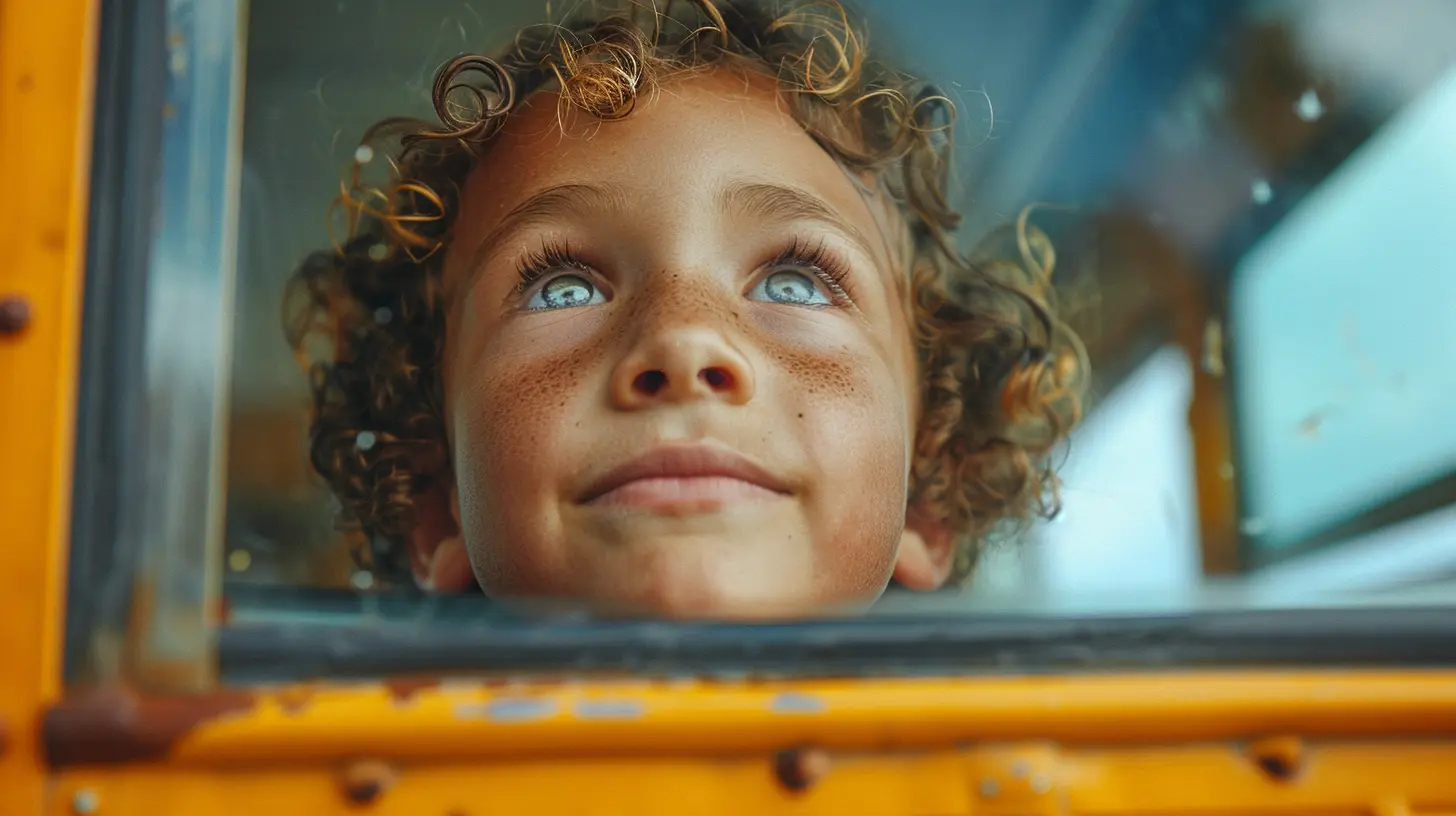
The Big Yellow Chariot: A Safety Symbol
Like a bright hummingbird in morning traffic, the school bus stands out in a sea of vehicles. It's painted that unmistakable sunshine yellow for a reason—visibility. But beneath that cheerful exterior lies a complex system of safety features and rules designed to protect your children every single day.Why School Buses Are Safer Than You Think
You might be surprised to know that school buses are, statistically, significantly safer than cars. According to the National Highway Traffic Safety Administration (NHTSA), children are 70 times more likely to arrive safely at school in a school bus than in a car.Why? Let’s take a look:
- High Visibility Colors & Lights: That bright yellow doesn’t just look cheerful—it’s highly visible in all kinds of weather. Flashing red lights and stop arms make other drivers pause.
- Reinforced Structure: School buses are built like tanks. Seriously. The steel-reinforced bodies are designed to take a hit and keep kids protected.
- Compartmentalization: Instead of seat belts (we’ll chat about that in a bit), most school buses use a strategy called compartmentalization—closely placed, high-backed, cushioned seats to create a protective bubble.
These design choices aren’t random—they're intentional and tested.
Riding Right: Teaching Kids the Rules
Even the safest vessel needs responsible passengers. That’s where we—and our kids—come in.Before the Bus Arrives: The Waiting Game
Mornings are chaotic, we get it. Breakfast crusts, untied laces, and sock hunts. But teaching your child basic waiting safety can make a world of difference.- Stay Five Giant Steps Back: That's about 10 feet away from the curb. It gives the driver a clear line of sight and prevents accidents.
- No Playing Near the Road: That game of tag can wait. Roads are for cars, not cartwheels.
- Be Ready: When kids are prepared and observant, they’re less likely to rush and forget basic safety.
All Aboard: The Entry Ritual
Here’s where the magic happens:- Wait for the Bus to Stop Completely: Those big wheels don’t slow down like a bike. Kids should wait for the complete halt and signal from the bus driver.
- Use the Handrails: Wet shoes plus metal steps equal potential slips.
- No Pushing or Rushing: The bus isn’t going anywhere without them. Encourage calm, orderly boarding.
While on the Bus: The Golden Rules
This is where things can get tricky—just imagine containing a room full of chatty, giggling, energetic kids.- Stay Seated: Easier said than done, right? But staying seated helps protect them in case of sudden stops.
- Keep Aisles Clear: Backpacks shouldn't be speed bumps.
- Talk Quietly: Bus drivers need to concentrate—think of them like air traffic controllers of the road.
- No Distracting the Driver: It’s not a standup comedy stage—save the jokes for recess.
Instilling these values doesn’t have to feel like a lecture. Turn them into a game, a song, or a story. Make safety fun, and it’ll stick.
Crossing Paths: Danger Zones Every Parent Should Understand
Here’s the most heart-pounding part: getting on and off the bus.The “Danger Zone”
The danger zone isn’t just an epic '80s song—it’s the 10-foot perimeter around the school bus where visibility is lowest, especially in front and behind.Imagine it like a “no-go” zone—kids should walk five big steps away from the front and always be in the driver’s line of sight.
Crossing the Street Safely
- Eye Contact with the Driver: Teach your child to look the driver in the eye and wait for the go-ahead before crossing.- Never Cross Behind the Bus: Always cross in front, and at least 10 feet away.
- Look Both Ways: Yes, that old mantra. But say it with rhythm or a silly voice—whatever helps it click.

The Seat Belt Debate: To Buckle or Not?
Ah, the seatbelt saga. We buckle up automatically in cars—so why not on buses?Why Many Buses Don’t Have Seat Belts
Most large school buses (those over 10,000 pounds) rely on compartmentalization instead of seat belts. The science is there: padded, closely spaced seats absorb impact, like an indoor playground.However, smaller buses often do include seat belts, and some states are pushing for more widespread seat belt laws.
So, What Should You Do?
If your child rides a bus with belts—encourage them to use it. Make it a habit, just like in the car. Habits built now stick for life.What Parents Can Do: Your Role in Bus Safety
You're not just a bystander in this journey—you’re the co-pilot on the ground.Be Present at the Bus Stop
Especially with younger kids, your presence can make a huge difference. A familiar face, a gentle reminder, a watchful eye—all serve as invisible armor.Communicate With the Driver
Introduce yourself. Show appreciation. If you notice something concerning, bring it up kindly and constructively. Drivers are part of our parenting village.Advocate for Better Policies
Want seat belts on buses? Better signage? Reflective vests for kids? Raise your voice. Join your school’s PTA, show up at board meetings, write a letter. Action creates change.Technology & Safety: Tracking the Ride
Gone are the days of wondering if the bus is late or early. Today, many school districts offer apps and GPS tools so you can track the bus in real-time.- Bus Tracker Apps: Handy alerts tell you the estimated arrival time.
- RFID Student Cards: Some schools use cards to track when kids board or exit.
- Cameras On Board: For discipline and safety, many buses now come with cameras inside and out.
These tools can offer peace of mind—but they don’t replace human attention.
Talking to Your Kids: Communication is Key
Sometimes, the best safety tool isn’t a gadget—it’s a good old-fashioned conversation.Ask your child:
- How was the bus ride?
- Did anything unusual happen?
- Do you feel safe on the bus?
Make it a daily ritual. By creating open lines of communication, you’re building trust—and teaching your child to speak up when something feels wrong.
What to Do If There’s an Incident
Despite all precautions, sometimes things go off course. If your child reports an incident—bullying, reckless driving, or unsafe behavior—take it seriously.- Document Everything: Write down what your child says, including dates and details.
- Report It Promptly: Contact the school and transportation office.
- Follow Up: Ask for updates. Be firm but respectful. Your child’s safety deserves top priority.
The Safety Song: Making It Stick for Young Ones
Want to make bus safety fun for your kid? Turn it into a song or chant. Something like:?
"Hold the rail, take your seat,
Keep your hands and feet so neat.
Look both ways before you go,
Wave to the driver, nice and slow!"
?
Silly as it sounds, music makes the message memorable.
Final Thoughts: Riding Toward Peace of Mind
School bus safety isn’t just about rules and regulations. It’s about trust, love, and a community working together to shepherd our children through one of the most important parts of their day.As parents, we can't ride every mile with them—but we can equip them with knowledge, confidence, and a sense of responsibility.
So next time you see that yellow chariot roll around the corner, wave your kid off with pride. Because now, you know they’re not just riding a bus—they’re navigating a well-oiled safety system with your guidance lighting the way.
all images in this post were generated using AI tools
Category:
Back To School TipsAuthor:

Karen Hurst
Discussion
rate this article
2 comments
Winter Wilson
Prioritize bus safety to ensure children's protection.
July 8, 2026 at 2:38 PM
Azura Abbott
Great article on school bus safety! It's crucial for parents to be informed about the rules and best practices to keep our kids safe. I appreciate the practical tips shared here. They will definitely help us have peace of mind during the school year.
June 5, 2026 at 4:44 AM