Visiting Historical Landmarks: Making the Past Come Alive for Kids
4 July 2026
Let’s be honest — dragging your kids to a historical landmark doesn’t always scream “fun family day,” right? They’re likely to roll their eyes, mutter something about being bored, and ask how far the nearest snack stand is. But wait — what if visiting these sites could feel more like stepping into a time machine rather than walking through a stone building with a plaque?
Spoiler alert: It absolutely can.
Visiting historical landmarks isn't about memorizing dates or names. It's about igniting your child’s imagination, sparking curiosity, and creating unforgettable memories that blend education and adventure. So let’s break it down — how do we make the past come alive for kids?
Why Historical Landmarks Matter for Kids
Let’s start with the big question — why even bother?Sure, museums and landmarks might sound like a snooze-fest to a 7-year-old. But these places are treasure troves of real-life stories. Unlike textbooks, historical sites allow kids to see, touch, and sometimes hear the echoes of the past. Think of these landmarks as giant storybooks—except you're walking through the pages.
Kids learn better by doing and seeing. Hands-on experiences light up parts of the brain that textbooks just can’t reach. When your child stands inside an old fort or walks the path of a famous march, they form a connection that's more powerful than any history lesson.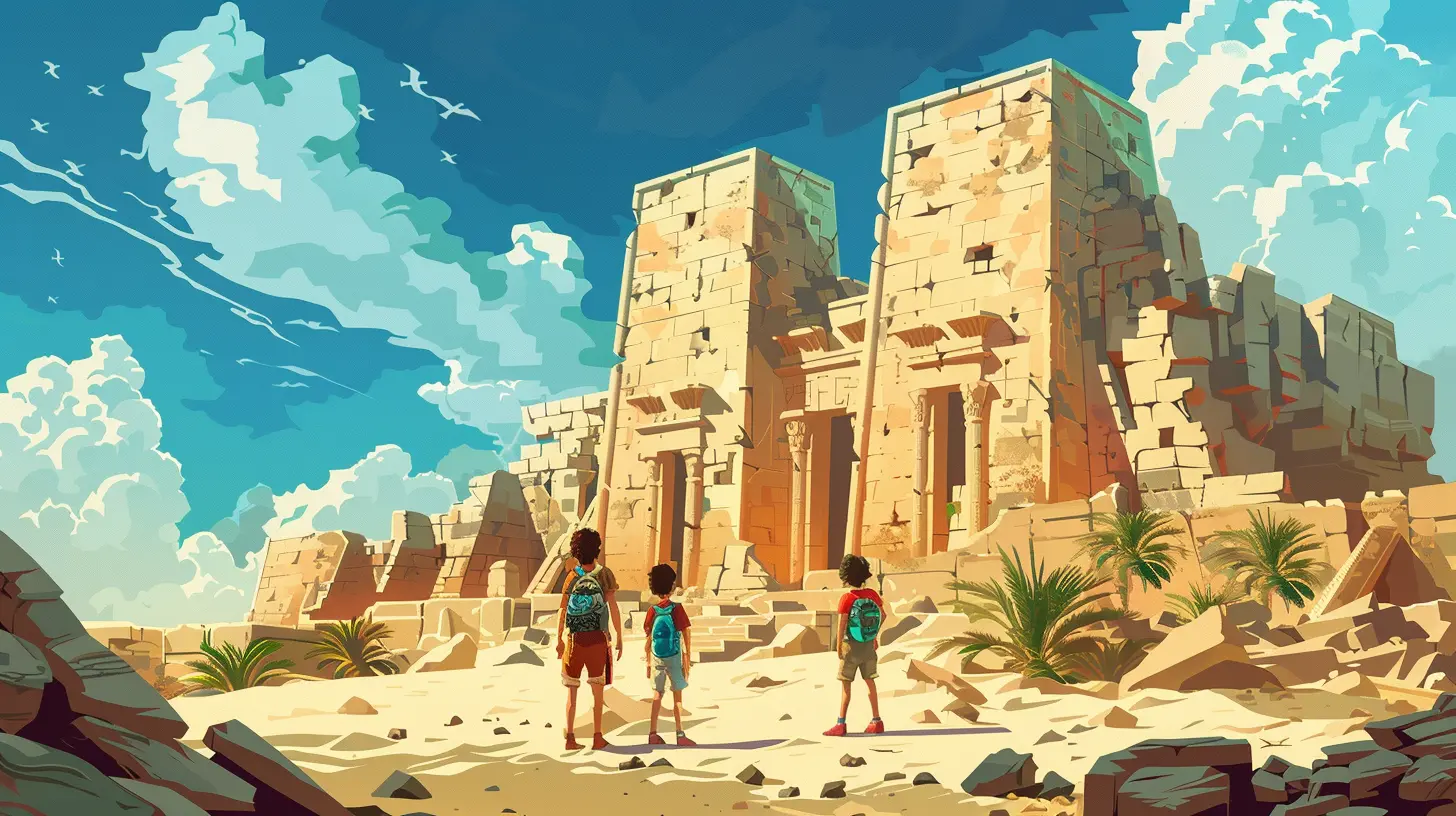
Turning “Ugh, History” Into “Whoa, Cool!”
Okay, so how do you flip the switch? How do you make your child excited about visiting a centuries-old battlefield or colonial home?1. Tell a Story Before You Go
Kids love stories. Before visiting a landmark, tell them the background in the form of a tale. Add drama! Throw in some mystery! Think: pirates, secret codes, battles, inventors, or daring escapes. Frame historical figures as real people — not statues or paintings.Example: “We’re visiting a castle where spies once sent messages using invisible ink. Would you have been brave enough to be a spy back then?”
Boom. You've got their attention.
2. Make It a Treasure Hunt
Give them a mission or quest. Can they find the cannon with a crack in it? How many flags can they count? Did they spot the statue of the man with the funny hat?Gamifying the visit gives them a sense of purpose. And let’s be real, parents — when they're on a mission, they're less likely to say, “I’m bored.”
3. Let Them Be the Guide
Hand them the map. Let them lead the way. Ask questions like, “Where do you think we should go first?” or “What do you think happened here?” Curious minds love feeling in control. They’ll engage way more when they feel like part of the decision-making process.
Best Types of Landmarks to Visit with Kids
Not all landmarks are created equal in the eyes of a child. Some are just naturally more exciting. Here are a few types that usually win kids over:1. Battlefields and Forts
Kids = energy. Battlefields = space to roam and cool, action-packed history. Forts often have tunnels, cannons, and towers — basically, a medieval playground.2. Historic Villages and Reenactments
These places are like stepping onto a movie set. Costumed interpreters, old-timey houses, and even blacksmiths hammering away — it’s real-life, living history.3. Ships and Submarines
If you’ve got a child who loves vehicles, old ships or submarines are gold. They can climb ladders, press buttons (sort of), and feel like a real explorer or naval captain.4. Castles and Mansions
Royalty, secret staircases, giant dining halls — what's not to love? Kids go wild for the idea of princes, princesses, and haunted towers.5. Native American and Indigenous Heritage Sites
These offer a chance to talk about cultures that lived long before modern America. They're often rich in nature, storytelling, and traditions — perfect for hands-on learning and deeper conversations.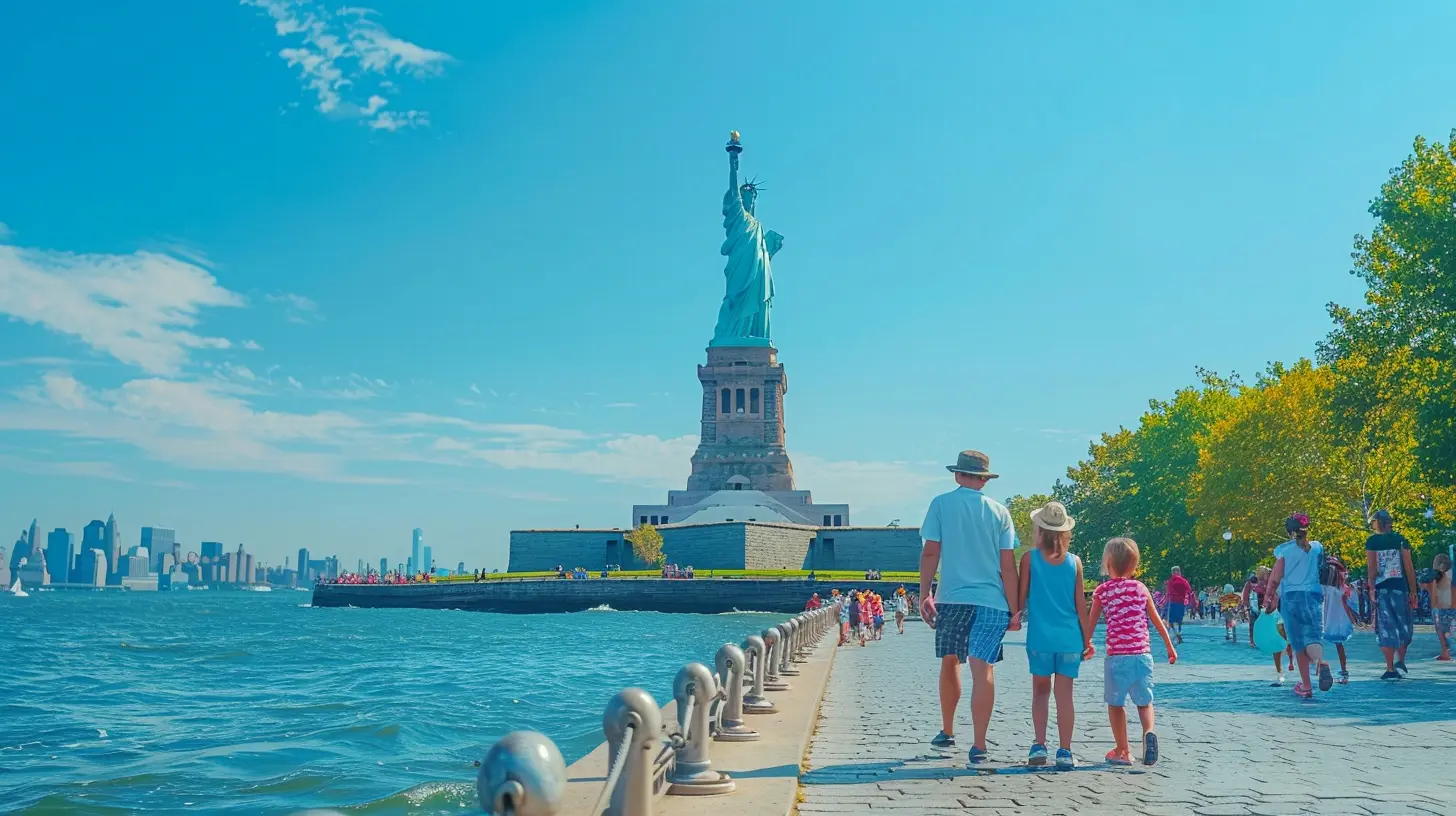
Tips for a Kid-Friendly History Adventure
Making the past come alive involves a little more than showing up. Here’s how to prepare like a pro:1. Keep It Short and Sweet
Don’t force a 4-hour tour. Most kids peak at around 60-90 minutes before their energy (and focus) tank. Find the highlights and ditch the rest.2. Pack Snacks and Water
History is exhausting. You’d be amazed how much happier kids are when they’re fed and hydrated. Avoid meltdowns — bring snacks.3. Ask Engaging Questions
Skip the yes/no questions. Try:- “If you lived here, what job would you have?”
- “Would you rather have lived 200 years ago or now?”
- “Do you think it was fun being a kid back then?”
These get them thinking and chatting.
4. Encourage Touch and Interaction
Look for landmarks where kids are allowed to touch, climb, or explore. If they can't, just make sure they know beforehand to avoid disappointment (and a lecture from the guide).5. Take Breaks and Play
Mix in some playtime, whether it’s rolling down a grassy hill at a memorial or hitting the old-fashioned playground at a historical village.Using Technology to Make It Cooler
Here's a crazy idea — use screens to your advantage. I know, I know. It sounds backward. But many historical sites now have apps, interactive maps, AR experiences, or audio tours designed just for kids.Let them use your phone to scan QR codes that unlock fun videos or games. Or download a kid-friendly podcast that tells the story of your destination while you drive there.
Educational tech isn’t the enemy — when used right, it’s like giving your child a backstage pass to history.
How to Extend the Experience at Home
The fun doesn’t have to stop at the parking lot.1. Craft the Past
After your visit, grab some crayons, paper, clay, or cardboard boxes and let your kids recreate what they saw. Maybe they build a cardboard fort or draw a picture of that giant statue.2. Read a Related Book
Find a chapter book or picture book that ties into the place you visited. This reinforces what they learned — and makes everything stick a little more.3. Write a “Time Traveler’s Journal”
Ask your child to write a journal entry pretending they went back in time. What did they see? Smell? Eat? Feel? It’s creative writing with a historical twist.Making History Personal
The ultimate goal? Help your kids see history as something real, something alive, something they’re connected to.Let them know that the people in history — they had feelings, fears, hopes, and dreams. Some were kids just like them! Maybe the child of a blacksmith who played with wooden toys or a young girl who helped hide her family during a war.
When kids understand that history was full of real people, it becomes something they care about — not just something they study.
Final Thoughts (and a Pep Talk)
As a parent, you don’t have to be a history buff to give your child a love of the past. All you need is a little creativity, a sense of adventure, and a willingness to make weird sound effects while telling a story.So next time you’re planning a road trip or weekend outing, throw a historical landmark on the itinerary. Who knows? It might just be more fun — and more meaningful — than the amusement park.
Because the truth is, history isn’t boring. It’s just been told that way for far too long.
It’s time to tell it like a story — a wild, colorful, edge-of-your-seat story that your kids will never forget.
all images in this post were generated using AI tools
Category:
Family VacationsAuthor:

Karen Hurst
Discussion
rate this article
1 comments
Runehart Webster
Taking the kids to historical landmarks is like a time machine with snacks. Who knew learning about the past could come with ice cream breaks and the occasional "Are we done yet?" Keep the history and sugar flowing!
July 6, 2026 at 4:27 AM
Karen Hurst
What a fun way to blend history and treats! Kids will remember the adventures and the ice cream. Keep making those memories!