Toddler Vaccinations and the Role They Play in Development
8 February 2026
Let’s be real here—parenting is a wild, beautiful, chaotic ride. You’re juggling mealtimes, sleepless nights, tiny tantrums, and endless hugs. But somewhere in between all that magic and madness, there’s something super important that parents often worry about but don’t always talk about in depth: toddler vaccinations. Yep, those little pokes at the doctor’s office that bring big-time protection.
You may have heard mixed opinions, read conflicting articles, and found yourself deep in the Google rabbit hole. But today, let's set the record straight and dive into why toddler vaccinations matter—not just for health, but for your child’s growth and development. Stick with me, and I promise to speak your language. No complex jargon, just honest, down-to-earth info you can feel good about.
Why Vaccinations Matter More Than You Think
Let’s kick things off by answering a simple question: why are vaccines such a big deal for toddlers?When we think of vaccines, we usually picture them as shields—guarding our kids from dangerous illnesses like measles, mumps, and whooping cough. And that’s true. But what often gets overlooked is how these vaccines also allow our children to thrive socially, emotionally, and developmentally.
Think of vaccines like a security system. They don’t just keep the big bad viruses out—they let your toddler explore the world safely. Without constant sick days, hospital visits, or long-term complications, they have the freedom to learn, grow, and play their little hearts out.
The Early Years Are Critical: Vaccines Support Healthy Growth
Toddlers are in a stage of rapid development. Their brains, bodies, and immune systems are working overtime to figure the world out. During these years, every experience—from stacking blocks to playing peek-a-boo—shapes how they see the world.But when illness strikes, especially serious ones like meningitis or polio, it can throw a wrench into this delicate development. Some diseases can lead to hearing loss, brain damage, or even developmental delays.
Getting vaccinated means reducing the risk of these dangerous interruptions. It's like giving your child a smoother runway to take off and become who they’re meant to be.
Common Vaccines Given to Toddlers
Let me break it down. Here are the vaccines typically recommended during the toddler years (usually between 12 and 36 months):- MMR (Measles, Mumps, and Rubella): Protects against three highly contagious and potentially dangerous diseases.
- Varicella (Chickenpox): Prevents those itchy spots that can sometimes lead to serious complications.
- DTaP (Diphtheria, Tetanus, and Pertussis): A triple-threat vaccine that guards against breathing troubles, spasms, and more.
- Hib (Haemophilus influenzae type b): Protects against a bacteria that can cause meningitis and pneumonia.
- PCV13 (Pneumococcal Conjugate Vaccine): Keeps lung and brain infections at bay.
- Hepatitis A and B: Shields the liver from long-term damage.
- Flu vaccine: Given yearly to ward off ever-changing flu strains.
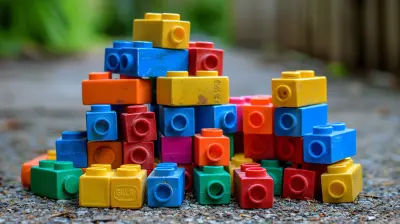
Each of these vaccines works together like bricks in a fortress, reinforcing your child’s natural immune defenses. Bonus? They also protect kids around them—daycare pals, cousins, even Grandma and Grandpa.
Aren’t Toddlers Too Young for So Many Shots?
It’s a fair question. That tiny arm getting so many jabs? It can feel overwhelming. But here’s the thing: your toddler’s immune system is surprisingly strong. It can handle more than you think. Every day, kids are exposed to countless bacteria and viruses in their food, air, and surroundings.Vaccines are like training wheels for the immune system. They prepare the body to face the real deal without exposing your child to the full-blown disease.
Think about it: would you rather your child learn to swim in the shallow end or get thrown into the deep sea during a storm? Vaccines offer controlled, safe exposure with powerful benefits.
The Long-Term Perks of Vaccination
The benefits of toddler vaccinations don’t stop at disease prevention. Let’s talk about the bigger picture. Here’s how staying up-to-date with shots can shape your child’s future:1. Fewer Sick Days = More Learning Opportunities
Every time your child misses daycare or preschool because they’re sick, they’re missing out on crucial interactions. Playing, talking, running, sharing—these moments are mini-masterclasses in social development. Vaccines help cut back on those sick days and keep your little learner on track.2. Protecting Brain Development
Diseases like measles or meningitis can have long-term effects on cognitive function. That means memory, learning, even speech could take a hit. Vaccines play a key role in preventing these risks and supporting healthy brain growth.3. Building Stronger Communities
When enough toddlers are vaccinated, we build something called “herd immunity.” It means diseases don’t spread easily. So even kids who can’t get vaccinated (due to allergies or medical conditions) stay safer. It’s like your child joining a superhero squad that protects an entire community.Tackling the Fear Factor: Safety and Side Effects
Okay, let’s talk about the elephant in the room. Side effects. Yes, they exist, but they’re usually mild and temporary—think redness, a slight fever, or fussiness. That’s just your toddler’s immune system rolling up its sleeves and getting to work.Serious side effects? They’re incredibly rare. Like, lightning-strike rare.
And just so you know, vaccines are thoroughly tested before they ever reach your child’s doctor. We're talking years of studies, trials, and monitoring. You’re not taking a chance—you’re making a well-researched, science-backed decision.
Myths vs. Facts: Clearing the Air
Let’s tackle a few common myths head-on:- “Vaccines cause autism.”
This myth has been thoroughly debunked. It was based on a discredited study, and the researcher lost his medical license. There is no scientific evidence linking vaccines to autism.
- “Natural immunity is better.”
While getting sick can build immunity, diseases like measles come with serious risks—like brain inflammation or even death. Vaccines let you build immunity without the danger.
- “Too many vaccines overwhelm the immune system.”
Toddlers handle hundreds of germs daily. A few vaccines? Piece of cake.
What You Can Do as a Parent
If you're feeling overwhelmed, that’s okay. You’re not alone. Navigating shots and schedules can be a challenge, but here are a few steps to help:1. Keep a vaccination schedule or download a tracking app. It’s one less thing to juggle.
2. Ask your pediatrician every question—seriously, no question is too small. Trustworthy information is your best friend.
3. Comfort your toddler after shots with their favorite toy, a snack, or extra cuddles.
4. Talk to other parents. Community helps ease nerves. You’ll find you’re not alone in your concerns—or your beliefs in the power of vaccines.
Encouragement for the Journey Ahead
To every parent reading this—you’re doing an amazing job. You’ve got a thousand things to think about, and you still make time to understand what’s best for your child’s health and happiness. That’s powerful.Getting your toddler vaccinated isn’t just about preventing illness. It’s about building the best possible foundation for their future. It’s about giving them room to grow, laugh, learn, and take on the world with confidence.
So, the next time you head to the pediatrician’s office, remember: you're not just checking off a box. You're making a loving, protective choice that speaks volumes—even if your toddler doesn’t fully understand (yet).
You’ve got this 💪.
Final Thoughts
Vaccinations during toddlerhood aren’t just about avoiding sniffles or fever—they’re massive stepping stones in your child’s development journey. From social growth to cognitive milestones, vaccines quietly support nearly every part of becoming a healthy, happy kid.And you, parent warrior, are the one making it all possible.
So, take a deep breath, trust the science, and keep showing up—one well-child visit at a time.
all images in this post were generated using AI tools
Category:
Toddler MilestonesAuthor:

Karen Hurst
Discussion
rate this article
2 comments
Rivera Wolfe
Vaccinations are a vital stepping stone in your toddler's growth journey. They not only protect your child from serious illnesses but also support their overall development. Embrace this powerful tool for health—it's an investment in a brighter, healthier future for your child and our community! Let's champion their well-being together!
February 15, 2026 at 6:00 AM
Karen Hurst
Absolutely! Vaccinations are essential for protecting toddlers and promoting healthy development. Let's prioritize their well-being together!
Rose Sullivan
Vaccinations: the essential building blocks for a healthy, thriving toddler—protecting today for a brighter tomorrow.
February 8, 2026 at 5:55 PM
Karen Hurst
Thank you! Vaccinations are indeed crucial for ensuring a toddler's health and supporting their overall development.